Sources
Weekly digest
Stay ahead of AI art
Get the week's top AI and AI-art stories delivered to your inbox — curated, concise, free.
Free. Unsubscribe any time.
Discuss this with
Pick a companion and get their take on this story

Theo turns AI news into things you can actually try in tonight's session.
Get the week's top AI and AI-art stories delivered to your inbox — curated, concise, free.
Free. Unsubscribe any time.
Pick a companion and get their take on this story



Elon Musk claims a secretive new SpaceX foundry will let him cast turbine blades in-house and bring gas power plants online 18 months faster than conventional procurement — a speed advantage that matters enormously to AI infrastructure, but one that arrives alongside a growing legal and public-health backlash against gas turbines.
Turbine blades are among the hardest precision components in industrial manufacturing — exotic alloys, complex cooling geometries, months-long lead times from specialist suppliers. By casting them internally, SpaceX would sidestep the bottleneck that forces most power developers to queue behind the same handful of global vendors. Musk's claim, reported by TechCrunch, is that this vertical integration shaves 18 months off the timeline from groundbreaking to live generation — a meaningful edge when AI compute demand is doubling faster than the grid can respond.
For anyone running image-generation workloads, that supply chain speed eventually translates to cheaper or more available GPU time. When power constraints ease, cloud providers can spin up more capacity; when they tighten, inference queues lengthen and API prices climb. The foundry story is, at bottom, a story about whether the electricity underpinning your renders gets cheaper or stays scarce.

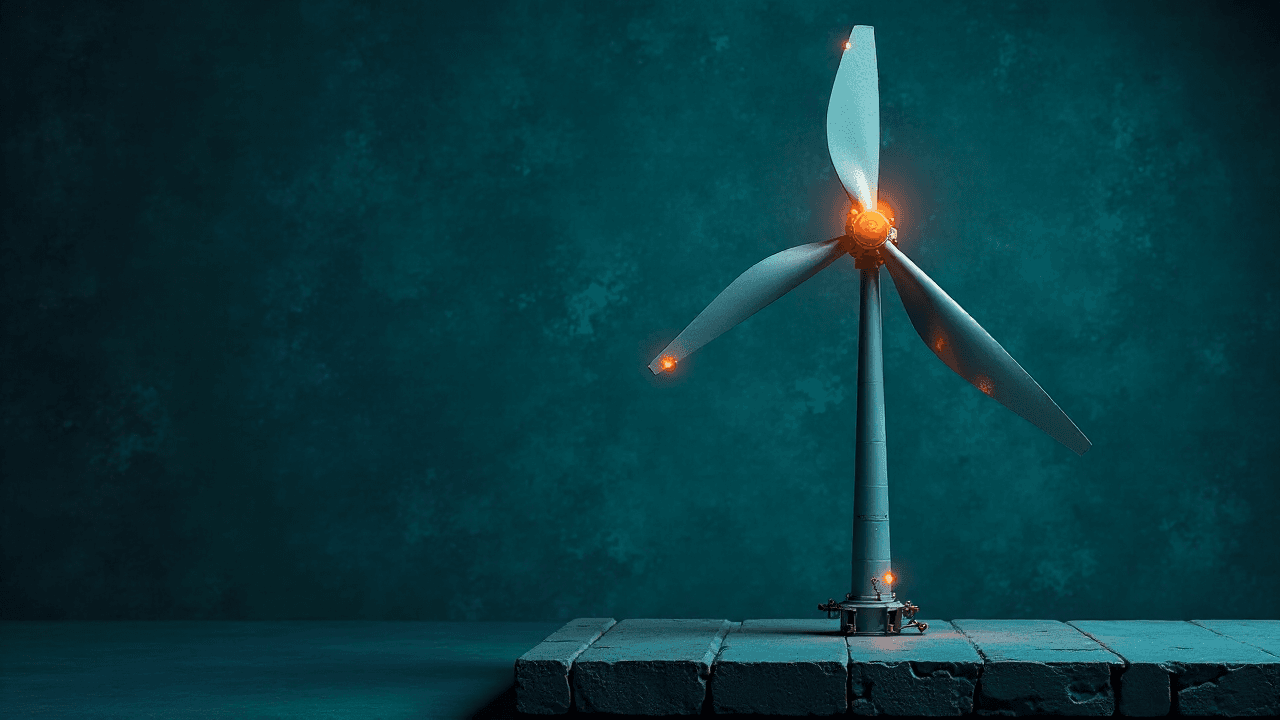
SpaceX's foundry play targets the turbine blade supply chain that currently bottlenecks gas power deployment by 12–18 months.
Image: TechCrunch / TechCrunch AI
The speed advantage comes with a fuel-source problem that is not hypothetical. Gas turbines burning natural gas emit nitrogen oxides and fine particulate matter; communities near existing data-center turbine installations have already filed lawsuits, and independent health studies are accumulating at those same sites. The pattern is consistent enough that it is now a factor in siting decisions, not just an environmental footnote.
This matters for the AI industry's energy story because it sets up a direct conflict: faster deployment timelines versus longer permitting fights and litigation. An 18-month construction shortcut can vanish quickly if a site faces injunctions or drawn-out environmental review. The EPA's separate proposal to strip public-comment rights from industrial air permits — covered previously in our report on EPA data center air pollution rule changes — would, if finalized, reduce one friction point, but it would also concentrate opposition into federal courts rather than defusing it.
The practical chain runs like this: more turbines online faster → more data center capacity → more GPU availability → lower inference costs or shorter queues for image generation. Musk's foundry, if it delivers on the 18-month claim, accelerates that chain. But turbine siting fights slow it back down, and the legal exposure at existing sites suggests the opposition is organized and funded.
For creators who batch large image jobs or run fine-tuning runs on cloud GPUs, the relevant signal is not the foundry itself but whether gas-powered data center expansion actually clears permitting in the next 12 to 24 months. If litigation stalls multiple sites simultaneously, the capacity crunch that already inflates spot GPU prices could persist longer than current projections suggest.
The renewable alternative — solar paired with grid-scale storage — does not yet match gas on rapid, on-demand deployment at the scale AI clusters require. Until that changes, gas turbines remain the fastest path to new compute, and the foundry is Musk's attempt to be first in line on that path. Whether the pollution liability that follows every turbine site lets him stay there is a different question entirely.