Sources
Weekly digest
Stay ahead of AI art
Get the week's top AI and AI-art stories delivered to your inbox — curated, concise, free.
Free. Unsubscribe any time.
Discuss this with
Pick a companion and get their take on this story

Theo turns AI news into things you can actually try in tonight's session.
Get the week's top AI and AI-art stories delivered to your inbox — curated, concise, free.
Free. Unsubscribe any time.
Pick a companion and get their take on this story



The US Environmental Protection Agency is preparing to eliminate a federal rule that requires public notice and comment periods when industrial facilities — including AI data centers — apply for air quality permits, according to The Verge.

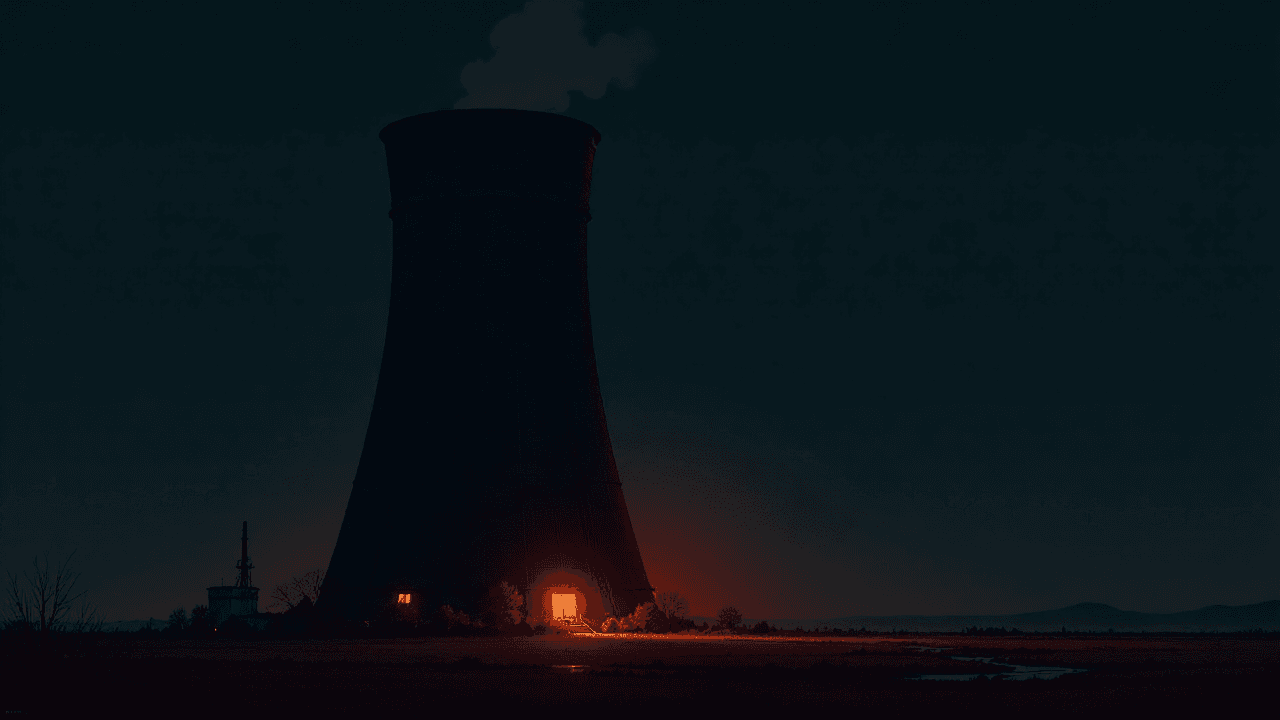
AI data centers are already drawing community opposition over emissions and noise before this EPA rule change.
Image: The Verge / The Verge AI
The timing is pointed. AI infrastructure is expanding at a pace that has made data centers one of the fastest-growing sources of industrial electricity demand and, in many regions, diesel generator exhaust during grid outages or peak loads. Communities near proposed sites have increasingly used the existing public comment process as their primary lever — filing objections, requesting environmental reviews, and in some cases delaying construction.
Stripping that mechanism means new permit applications could be approved without neighbors ever knowing a facility is planned. For the AI industry, that removes one of the more reliable friction points in the build-out pipeline.
Under current rules, when a facility crosses certain emissions thresholds and needs a Clean Air Act permit, regulators must notify the public and allow written comment before approving it. The EPA's proposed change would eliminate that requirement for a category of permits, effectively converting what is now a semi-public process into an administrative one.
The practical result: a hyperscaler or colocation provider could apply for and receive an air permit for a new 200-megawatt campus — complete with backup diesel generators rated for days of continuous operation — without a single public hearing. Local governments would retain some authority, but federal air permitting oversight would no longer include a community check.
For the companies building the GPU clusters that power image generation, video synthesis, and large language models, this is straightforwardly useful. Permitting delays are a real constraint on the timeline between announcing a data center and running inference on it. Removing the comment period compresses that timeline.
None of this directly changes a prompt, a sampler setting, or a model weight. But the infrastructure story and the creative workflow story are connected — slower data center buildout means tighter GPU supply and higher inference costs; faster buildout under reduced oversight means the opposite, at least in the short term.
Creators who batch large generation jobs on cloud APIs, or who rely on platforms that lease compute from major providers, are sitting downstream of these permitting decisions. If the rule change accelerates data center construction in regions that previously faced community opposition, the net effect could be more available compute and more competitive pricing for GPU-backed services over the next two to three years.
The counterargument — that unchecked expansion invites eventual legal challenges or stricter future regulation — is worth watching. Several data center projects have already been paused or rerouted after local litigation, and removing the formal comment process does not eliminate the possibility of lawsuits; it just moves the fight.
The EPA has not published a final rule or a firm implementation date as of this writing. The agency's direction is clear, but the regulatory calendar for formal rulemaking means the change is unlikely to take effect immediately. Developers and advocacy groups on both sides are expected to respond once a formal proposal is published in the Federal Register.
For a closer look at how AI regulation and legal uncertainty already shape the tools creators use, the earlier Charmloop piece on AI training and copyright legal fog covers the parallel dynamic in model development — where unresolved policy questions quietly constrain what gets built and released.