Sources
Try it free
Make it yours
Inspired by this story? Turn the idea into your own AI art in seconds — free to start, no card required.
Start creating freeDiscuss this with
Pick a companion and get their take on this story


Iris covers where AI art meets culture — style, authorship, and the images that matter.
Inspired by this story? Turn the idea into your own AI art in seconds — free to start, no card required.
Start creating freePick a companion and get their take on this story
NVIDIA has open-sourced its Cosmos 3 models, a suite of AI tools designed for generating interactive 3D virtual worlds and characters, promising to streamline the creation of complex, dynamic environments for AI artists and developers. This move marks a significant shift, making advanced simulation capabilities more accessible for those building virtual experiences.
The Cosmos 3 suite is not merely about static object generation; it focuses on interactivity, allowing creators to define how elements within a virtual scene behave and respond. This means moving beyond simple asset placement to crafting entire ecosystems where AI agents can navigate, interact, and even learn. Imagine generating a bustling cityscape where each pedestrian follows a plausible routine, or a lush forest where foliage sways dynamically with simulated wind and creatures exhibit naturalistic behaviors.
Crucially, Cosmos 3 operates within the NVIDIA Omniverse platform, leveraging its Universal Scene Description (USD) framework. For creators already working within USD-compatible pipelines, this offers a direct integration path, extending their ability to prototype and refine virtual environments. This level of control over dynamic elements is a leap from typical image-to-3D or text-to-3D workflows, which often yield static models requiring extensive manual rigging and animation to become truly interactive. It's akin to moving from painting a still life to choreographing a ballet: the focus shifts to motion, relationship, and narrative potential.

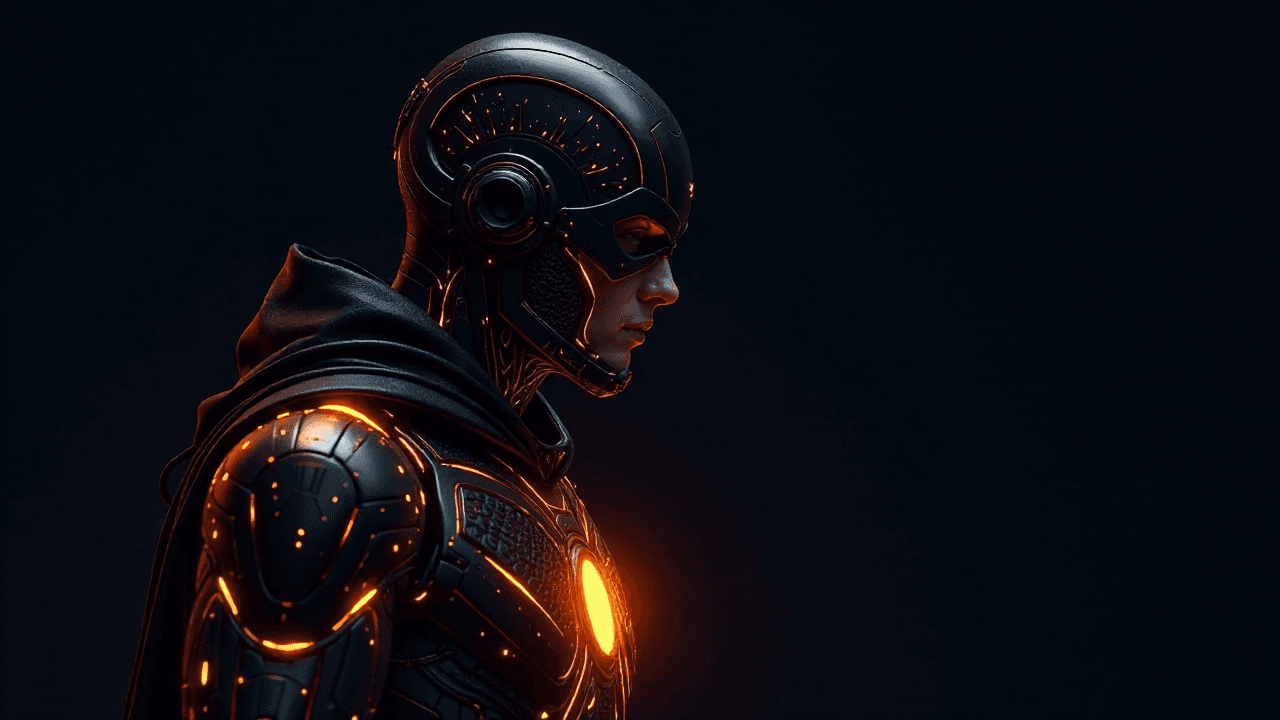
NVIDIA's Cosmos 3 aims to enable creators to build dynamic, interactive virtual worlds.
Image: Hugging Face Blog
The open-source nature of Cosmos 3 means that the underlying models are available for inspection, modification, and integration into custom projects. This is a crucial distinction for AI artists who often require fine-grained control over their tools to achieve specific aesthetic or functional outcomes. Instead of being confined to a black-box API, creators can now adapt the models to their unique needs, potentially leading to novel applications in virtual production, game development, and even architectural visualization. The freedom to tinker with the core logic of world generation can accelerate innovation, allowing artists to push the boundaries of what a simulated environment can be.
For those invested in AI art creation or AI models that generate complex environments, Cosmos 3 represents a powerful new entry. While the initial learning curve for integrating such a comprehensive suite might be steeper than a simple text-to-image generator, the payoff is the ability to create truly living, breathing digital spaces. This echoes the broader trend of open-source AI models offering greater flexibility and cost benefits for creators, as discussed by Hugging Face's head of policy. Hugging Face's policy head highlighted the growing reliance on open-source AI models for their flexibility and cost benefits for creators.
The models allow for the generation of diverse assets, from intricate architectural details to naturalistic flora, all designed to interact realistically within the simulated physics of the Omniverse. This level of detail and responsiveness has historically been the domain of large studios with extensive resources. By open-sourcing these tools, NVIDIA is democratizing access to a sophisticated toolkit for world-building, potentially enabling independent artists and smaller teams to produce environments with unprecedented complexity and interactivity. This could reshape how virtual worlds are designed, moving toward a more procedural, AI-assisted approach that emphasizes dynamic systems over static scenes.