Fonti
Provalo gratis
Falla tua
Ti ha ispirato questa storia? Trasforma l’idea nella tua arte con IA in pochi secondi: inizi gratis, senza carta.
Inizia gratis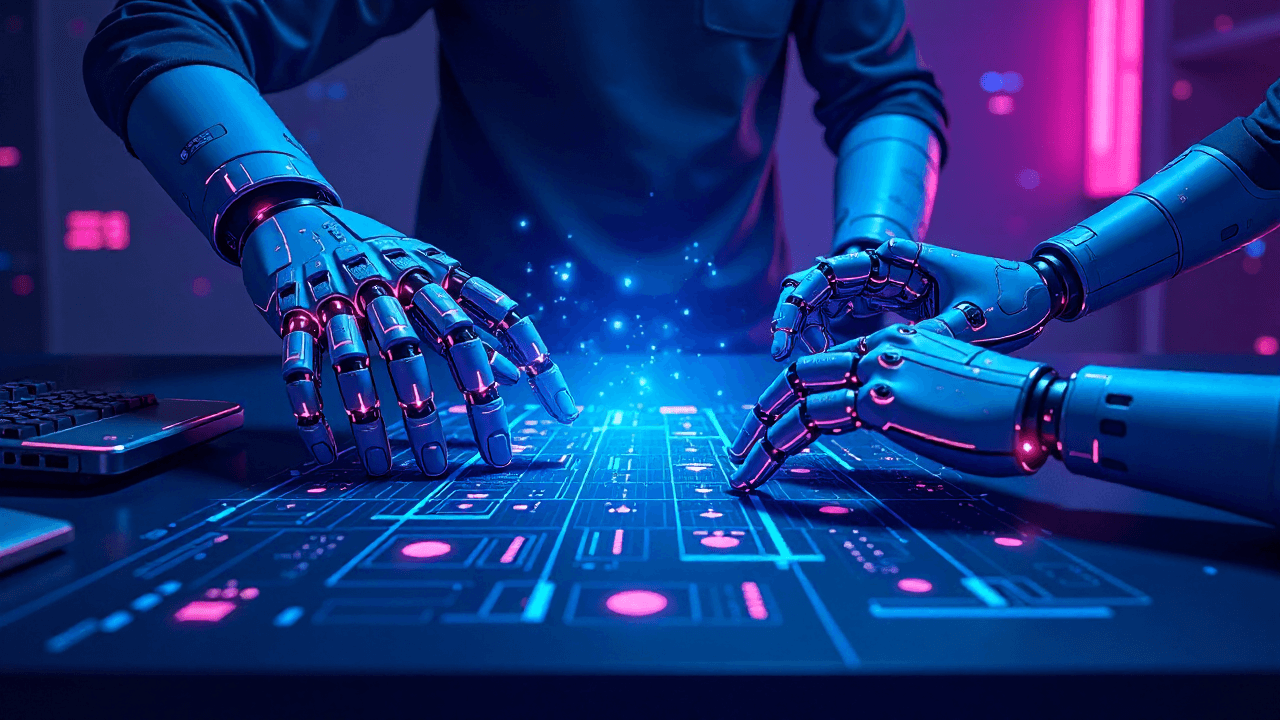
Ti ha ispirato questa storia? Trasforma l’idea nella tua arte con IA in pochi secondi: inizi gratis, senza carta.
Inizia gratisScegli un compagno e scopri cosa ne pensa di questa storia

Le ultime mosse di Anthropic segnalano un cambiamento cruciale nel deployment degli agenti AI, con implicazioni significative per i professionisti creativi. L'azienda ha appena lanciato Cowork, un agente AI desktop che estende le capacità di Claude agli utenti non tecnici, mentre contemporaneamente affronta crescenti critiche sulla struttura dei prezzi di Claude Code che varia da 20 a 200 dollari mensili.
I tempi rivelano la strategia di Anthropic per democratizzare gli agenti AI oltre la comunità degli sviluppatori. Secondo fonti aziendali, il team di Cowork ha costruito l'intera funzionalità in appena una settimana e mezza — ironicamente, utilizzando Claude Code stesso per lo sviluppo.
I prezzi premium di Claude Code hanno scatenato quella che VentureBeat descrive come una "ribellione crescente" tra i programmatori. Questa reazione negativa ha accelerato l'adozione di alternative gratuite come Goose, un agente AI open-source che promette funzionalità simili senza costi di abbonamento.
Per i creator di AI art, questa tensione sui prezzi offre intuizioni cruciali. Mentre le capacità di ragionamento avanzate di Claude lo rendono attraente per flussi di lavoro creativi complessi, la struttura dei costi potrebbe spingere i creator verso alternative open-source o approcci ibridi che bilanciano capacità e convenienza.
Il lancio di Cowork negli ambienti desktop rappresenta un'espansione significativa oltre il coding verso la gestione generale di file e attività di produttività. Questo posiziona Claude per competere direttamente con Copilot di Microsoft e altri strumenti AI focalizzati sulla produttività su cui i professionisti creativi fanno sempre più affidamento.
La capacità di lavorare autonomamente con i file suggerisce potenziali applicazioni per gestire grandi dataset di immagini, organizzare progetti creativi o automatizzare attività ripetitive nelle pipeline creative. Tuttavia, il focus desktop indica che Anthropic sta puntando ai flussi di lavoro di produttività tradizionali piuttosto che alle attività specializzate di generazione creativa.
L'approccio duale di Anthropic — agenti di coding premium insieme a strumenti desktop accessibili — riflette la lotta più ampia dell'industria AI per bilanciare capacità avanzate con adozione mainstream. L'azienda si sta posizionando per competere non solo nell'AI conversazionale, ma attraverso l'intero spettro di strumenti di produttività potenziati dall'AI.
Questa strategia potrebbe influenzare come i creator scelgono tra diverse piattaforme AI. Mentre gli strumenti AI art specializzati eccellono nella generazione di immagini, gli agenti general-purpose come Claude potrebbero gestire le attività del flusso di lavoro circostante — pianificazione progetti, organizzazione file e sviluppo di brief creativi.
L'espansione degli agenti AI negli ambienti desktop suggerisce un futuro dove i flussi di lavoro creativi integrano sistemi AI multipli. Invece di affidarsi esclusivamente ai modelli di generazione immagini, i creator potrebbero utilizzare agenti AI per la gestione progetti, l'organizzazione degli asset e l'automazione del flusso di lavoro.
Tuttavia, la controversia sui prezzi intorno a Claude Code serve come avvertimento sulla fatica da abbonamento. Man mano che gli strumenti AI proliferano, i creator dovranno valutare attentamente quali servizi premium giustificano i loro costi rispetto alle alternative gratuite che potrebbero soddisfare le esigenze di base.
Il rapido sviluppo di Cowork — costruito in meno di due settimane utilizzando assistenza AI — dimostra anche quanto velocemente potrebbero emergere nuovi strumenti creativi. Questo ritmo accelerato di sviluppo suggerisce che i creator dovrebbero concentrarsi su competenze fondamentali e flussi di lavoro adattabili piuttosto che diventare troppo dipendenti da una singola piattaforma.
Per ora, l'approccio più pratico potrebbe essere esplorare come gli agenti AI general-purpose complementano piuttosto che sostituire gli strumenti creativi specializzati, tenendo d'occhio le alternative open-source che potrebbero fornire capacità simili senza i prezzi premium.