Sources
Try it free
Make it yours
Inspired by this story? Turn the idea into your own AI art in seconds — free to start, no card required.
Start creating free
Inspired by this story? Turn the idea into your own AI art in seconds — free to start, no card required.
Start creating freePick a companion and get their take on this story
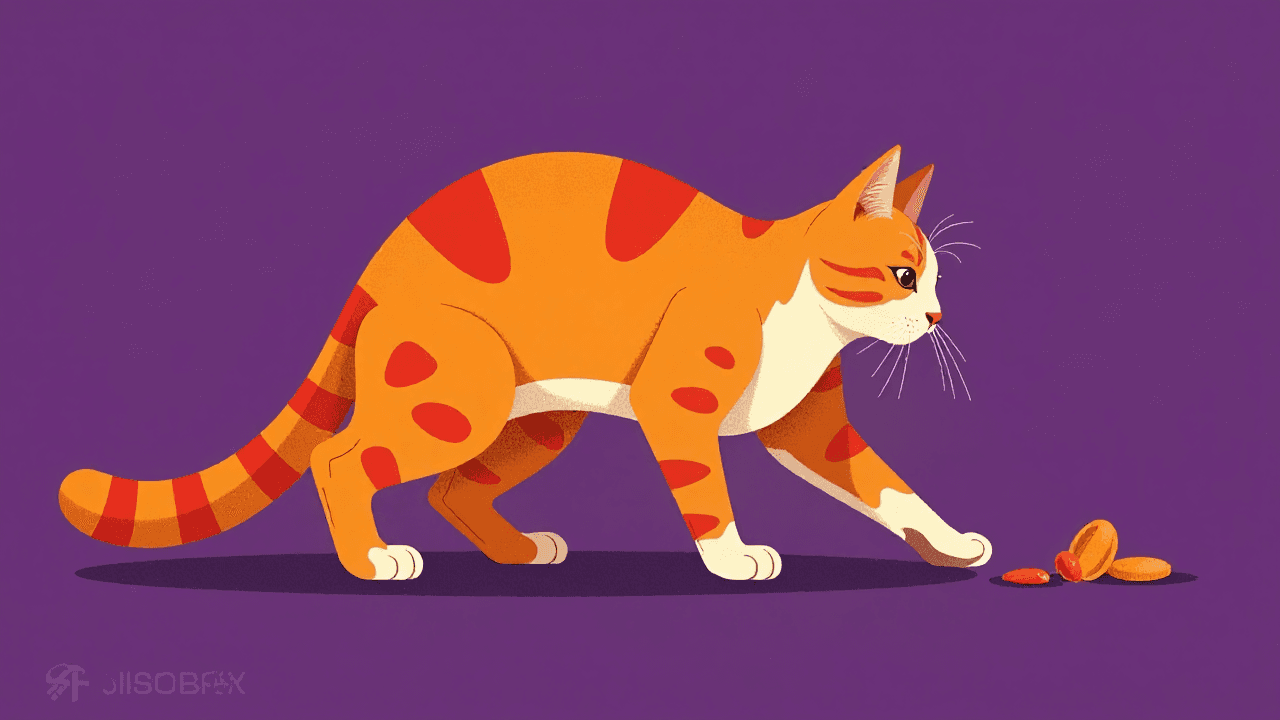
Instagram head Adam Mosseri says the platform will not suppress AI-generated content broadly, but individual users who dislike it can choose to stop seeing it — a stance with real consequences for AI artists trying to build an audience there.
Mosseri told Lenny Rachitsky's podcast that he does not believe Instagram should act as a gatekeeper for AI content. "I don't think we should filter out AI content," he said, adding that users who object to it "shouldn't have it in your feed" — putting the choice on the individual rather than the platform.
That framing matters. A platform-level suppression would be a structural headwind for every AI artist on Instagram, quietly throttling reach regardless of engagement. What Mosseri is describing instead is a user-controlled preference — closer to a mute filter than an algorithmic penalty. For creators, that is a meaningfully better outcome, even if it means some portion of the audience will eventually tune out AI posts entirely.
What Mosseri did not specify: whether opting out of AI content will use Instagram's existing AI-label infrastructure (which flags posts as AI-generated), or whether it will rely on a separate signal. That distinction matters for how accurately the filter catches AI art versus how often it mislabels human work — a problem that has already frustrated photographers on the platform.
The practical risk for AI creators is not a ban — it's fragmentation. If a meaningful slice of Instagram's audience activates an AI-content filter, reach metrics for AI-generated posts could drop without any change in the algorithm's formal ranking. Creators who post a mix of AI and traditional work may find their AI pieces consistently underperforming by a margin that's hard to diagnose.
This is also where labeling accuracy becomes a workflow issue. Meta's Muse Image model, which launched across Instagram and WhatsApp and can generate images tagged to other users' accounts, is already pushing Instagram toward more aggressive AI detection. If that detection pipeline also powers the opt-out filter, false positives on hand-edited or lightly AI-assisted work could pull non-AI posts into the filtered bucket.
For now, the safest read is that Instagram is threading a needle: it wants to keep AI creators on the platform (and their content generating engagement) while giving skeptical users an escape valve. That is not a hostile environment for AI art — but it is a more segmented one.
Mosseri's comments arrive as Meta is simultaneously expanding its AI image tools and tightening disclosure rules. The company already requires labels on AI-generated content in certain contexts, and Google flags AI-generated ads across Search and YouTube — a broader industry pattern of labeling rather than blocking.
For AI artists choosing where to invest their posting energy, Instagram's stance is more permissive than a hard filter would be, but less neutral than pure algorithmic indifference. Building a following there still makes sense — especially given Instagram's scale — but diversifying across platforms that don't offer opt-outs at all remains a hedge worth keeping.
If you want to see how AI-generated images hold up as standalone creative work before committing them to a feed, the Charmloop image generator is a useful place to iterate on quality before publishing anywhere.