Sources
Weekly digest
Stay ahead of AI art
Get the week's top AI and AI-art stories delivered to your inbox — curated, concise, free.
Free. Unsubscribe any time.
Discuss this with
Pick a companion and get their take on this story

Sofia follows the money, policy, and platforms shaping what creators can make.
Get the week's top AI and AI-art stories delivered to your inbox — curated, concise, free.
Free. Unsubscribe any time.
Pick a companion and get their take on this story


Meta's Muse AI agent picked up video chat, personal email addresses, smart-glasses integration, and a dedicated pocket-sized hardware device at the company's annual Connect event in Menlo Park on Wednesday — a cluster of upgrades that moves Muse from chat assistant toward something closer to a persistent, cross-device companion.
The email-address feature is the most operationally significant addition for power users. Giving Muse its own inbox means the agent can send, receive, and act on messages without a human forwarding threads — a prerequisite for genuinely autonomous task completion, like booking services or managing order confirmations. Paired with video chat, which lets users communicate face-to-face with their agent, Muse is clearly being positioned as something you relate to, not just query.
According to The Verge, Meta is rapidly iterating on Muse since its launch just weeks ago — a pace that recalls how quickly early ChatGPT plugins went from novelty to infrastructure. The difference is that Meta controls the hardware layer too, which gives it distribution leverage no pure-software AI lab can match.

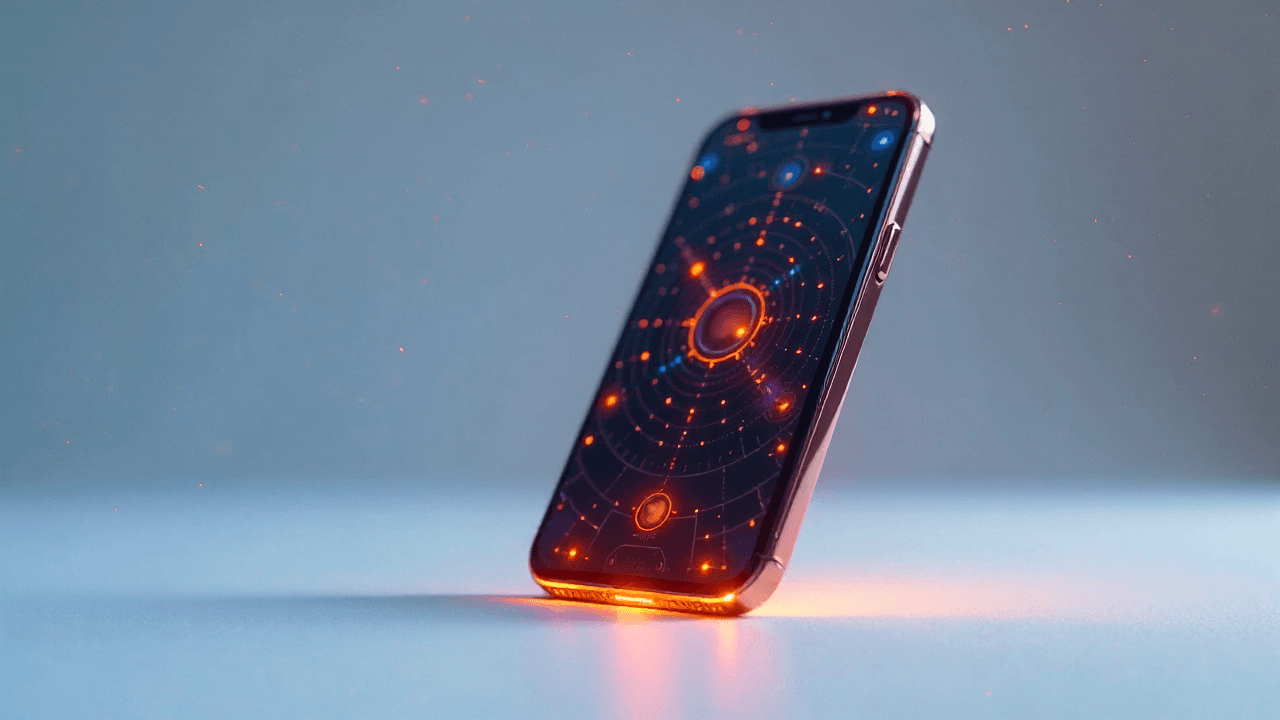
Meta's Connect 2026 keynote centered on a sweeping expansion of the Muse AI agent across devices and form factors.
Image: TechCrunch / TechCrunch AI
The new camera-free Ray-Ban Meta audio glasses are a direct response to public discomfort with wearable surveillance. They're lighter, rated for up to 12 hours of use, and — critically — they run Muse. Saying the agent's name activates it; from there, users can ask it to guide a workout, log information, or handle ambient tasks hands-free.
For AI-art creators specifically, that hands-free loop is worth watching. Voice-activated agents that can relay visual context or manage reference gathering while you're away from a desk represent a workflow shift — not today, but the scaffolding is being laid. The glasses integration also matters because it normalizes always-on agent access in a form factor that doesn't require pulling out a phone.

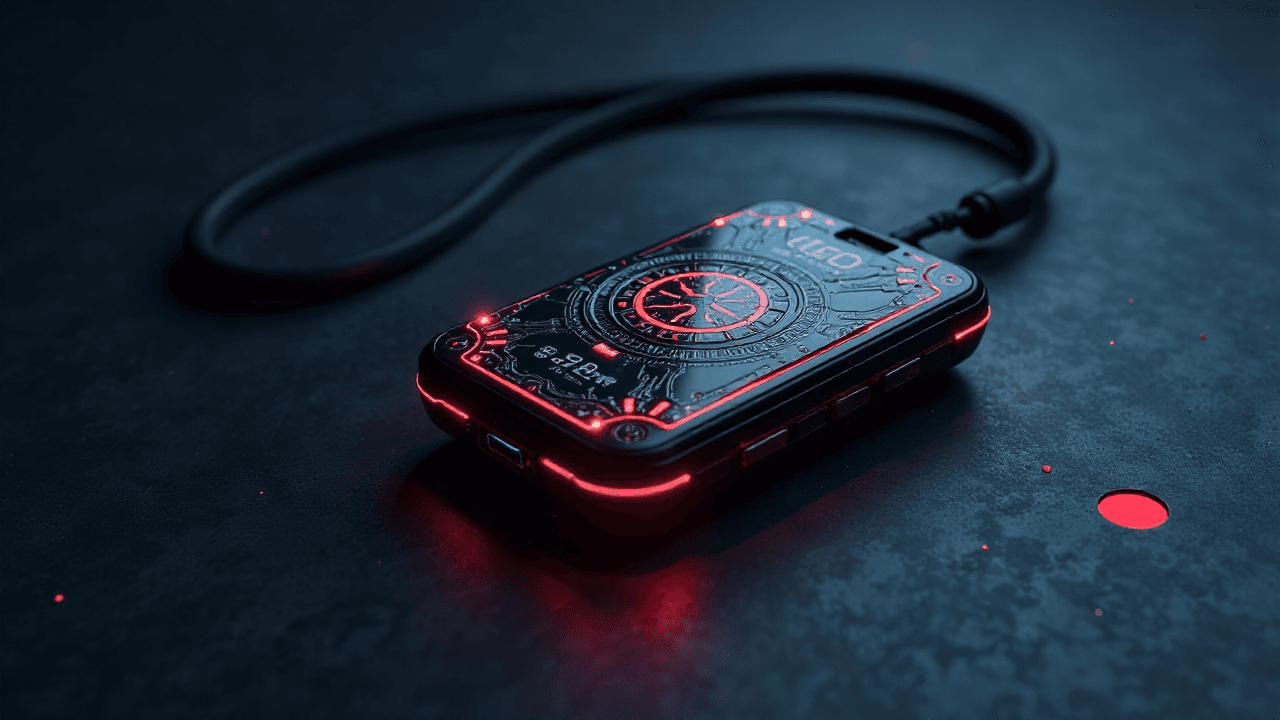
Muse Charm, Meta's Tamagotchi-like standalone hardware device for its AI agent, debuted at the close of Zuckerberg's keynote.
Image: TechCrunch / TechCrunch AI
The most visually striking announcement was Muse Charm, briefly shown by Zuckerberg at the end of the keynote. The Verge describes it as a chunky screen on a lanyard — think less smartwatch, more the spiritual descendant of a Tamagotchi or a 1990s pager, but running a full AI agent. Pricing and a firm release date weren't disclosed.
The strategic logic is straightforward: a dedicated device means Muse isn't competing for attention with other apps, notifications, or battery draw on a phone. It also gives Meta a hardware revenue line and a physical object that reinforces brand attachment to the agent — the same playbook Amazon ran with the original Echo.
Meta's Muse has already been outpacing ChatGPT's early mobile growth figures, according to Appfigures data covered previously here, and the Connect announcements are clearly designed to widen that lead before competitors can respond. The security questions that surfaced around Muse's deep system access haven't gone away, either — adding email autonomy and always-on wearable presence raises the same data-access stakes in new form factors.
For creators who use AI tools across multiple devices, the practical question is whether Muse's expanding ecosystem becomes a useful ambient layer — or another proprietary silo. That answer depends on how aggressively Meta opens (or closes) Muse's integrations to third-party tools like the image generators and creative platforms that make up most of a working AI-art workflow.
Meta hasn't committed to a public API for Muse's agentic features. That decision — more than any individual hardware reveal — will determine how much of Wednesday's announcements actually reach creators' desktops.