Sources
Try it free
Make it yours
Inspired by this story? Turn the idea into your own AI art in seconds — free to start, no card required.
Start creating freeDiscuss this with
Pick a companion and get their take on this story
Inspired by this story? Turn the idea into your own AI art in seconds — free to start, no card required.
Start creating freePick a companion and get their take on this story


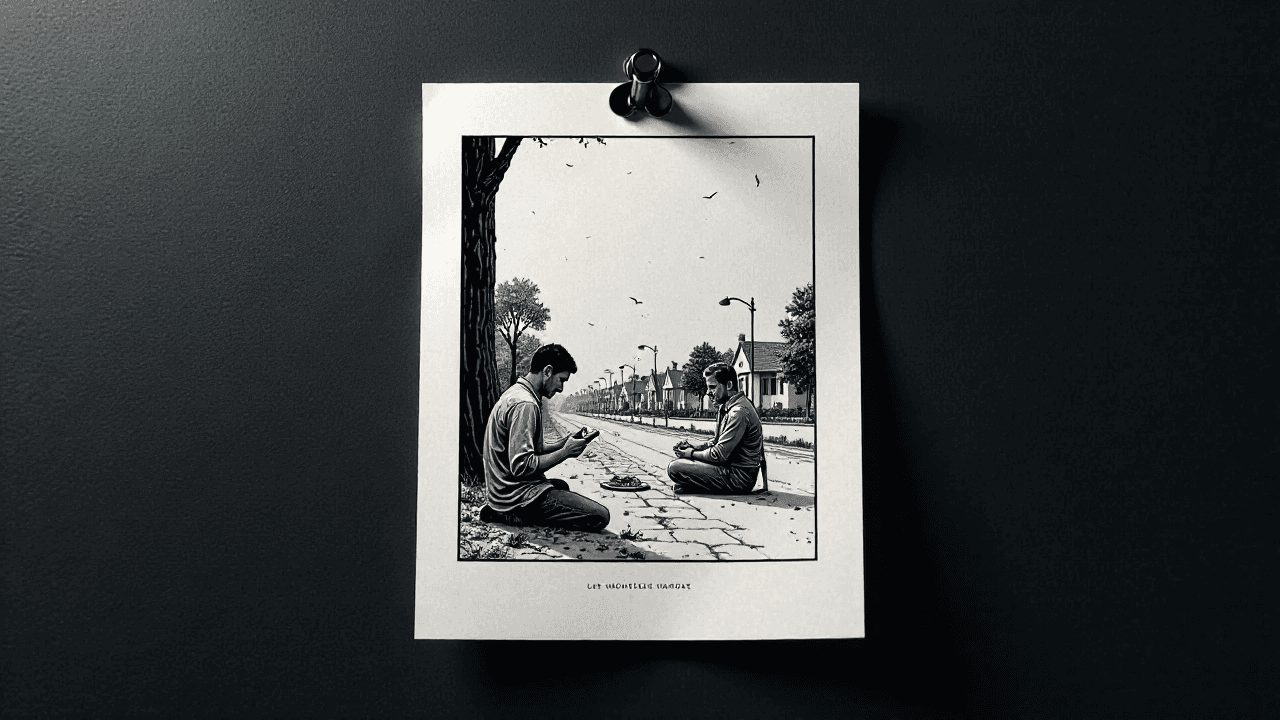
An artist has filed a lawsuit against an AI meme generator, alleging the platform scraped a deeply personal comic strip and sold it as a commercial ad template — a case that legal experts say could expose a specific, underappreciated liability in how AI image tools handle training data at inference time.\n\n## Key takeaways\n\n- An artist is suing an AI meme generator for allegedly scraping a personal comic and monetizing it as an ad template without permission.\n- A legal expert cited by Ars Technica says the platform may have made a critical error by using actual training images as output templates rather than generating novel content.\n- The distinction between training on copyrighted work and reproducing it in outputs is central to the lawsuit's theory of liability.\n- This case is narrower than broad AI copyright disputes — it targets a specific workflow where scraped images are surfaced directly to end users.\n- Creators using AI tools that offer "template" or "style match" features should understand those features carry different legal exposure than pure generative outputs.\n\n## The specific workflow that may have backfired\n\nMost AI copyright litigation so far has targeted the training phase — whether scraping images to train a model constitutes infringement. This case is different. According to Ars Technica, a legal expert reviewing the case flagged that the meme generator may have compounded its legal exposure by using scraped images as templates in its outputs — meaning the original artwork wasn't just training data, it was being served back to users as a product.\n\nThat distinction matters enormously. A model trained on millions of images and generating statistically novel outputs sits in murkier legal territory. A platform that takes an identifiable comic, stores it, and offers it as a fillable ad template is closer to a stock-image library operating without a license — and courts have decades of precedent on that.\n\nThe comic at the center of the suit was described as deeply personal, which adds a second layer: potential claims around moral rights or emotional harm, depending on jurisdiction, even where economic damages are harder to quantify.\n\n## What this means for tools that offer "template" or "style match" modes\n\nFor creators building workflows around AI image tools, this case draws a practical line worth understanding. Pure text-to-image generation — where a model synthesizes a new image from a prompt — is legally distinct from features that retrieve or closely replicate a specific source image. Template pickers, style-match tools, and "inspired by" features that surface near-copies of real works are the higher-risk category, not the generation itself.\n\nIf you use a platform's template library to jumpstart ad creative or social content, it's worth asking where those templates came from. A platform that generated its template library synthetically is in a different position than one that scraped the web and repackaged existing art. The meme-generator lawsuit suggests that question now has real legal teeth.\n\nThe case also reinforces a pattern visible in the Anthropic author settlement approved earlier this year: courts and litigants are increasingly comfortable drawing fine-grained distinctions inside AI workflows rather than ruling on AI copyright wholesale. Expect more targeted suits that pick specific platform behaviors rather than challenging the entire generative AI stack.\n\n## The personal dimension and its legal weight\n\nThe artist's comic being described as "deeply personal" isn't just emotionally resonant — it may be legally relevant. In some jurisdictions, moral rights protect an artist's connection to a work independent of who owns the copyright. In the U.S., moral rights are narrow (they apply mainly to works of visual art under VARA), but the personal nature of the work could still influence damages arguments or a jury's sympathy.\n\nFor AI-art creators who publish work online — whether finished pieces, process sketches, or personal comics — this case is a reminder that scrapers don't distinguish between commercial portfolio work and something you posted for a small audience. Watermarking, metadata, and terms-of-service language on your own publishing platforms remain the most practical first-line defenses, even if none of them are airtight.\n\nThe lawsuit is still in early stages, and no ruling has been issued. But the template-output theory, if it holds up, could push AI meme and ad-creative platforms to audit how their template libraries were built — or face the same exposure.