Kaynaklar
Rehberler
İşin ustası ol
Prompt yazımı, stiller ve yapay zekâ görsel üretiminden en iyi şekilde yararlanma üzerine adım adım rehberler.
Rehberleri okuBunu şununla konuş
Bir arkadaşını seç ve bu haber hakkındaki görüşünü öğren
Prompt yazımı, stiller ve yapay zekâ görsel üretiminden en iyi şekilde yararlanma üzerine adım adım rehberler.
Rehberleri okuBir arkadaşını seç ve bu haber hakkındaki görüşünü öğren
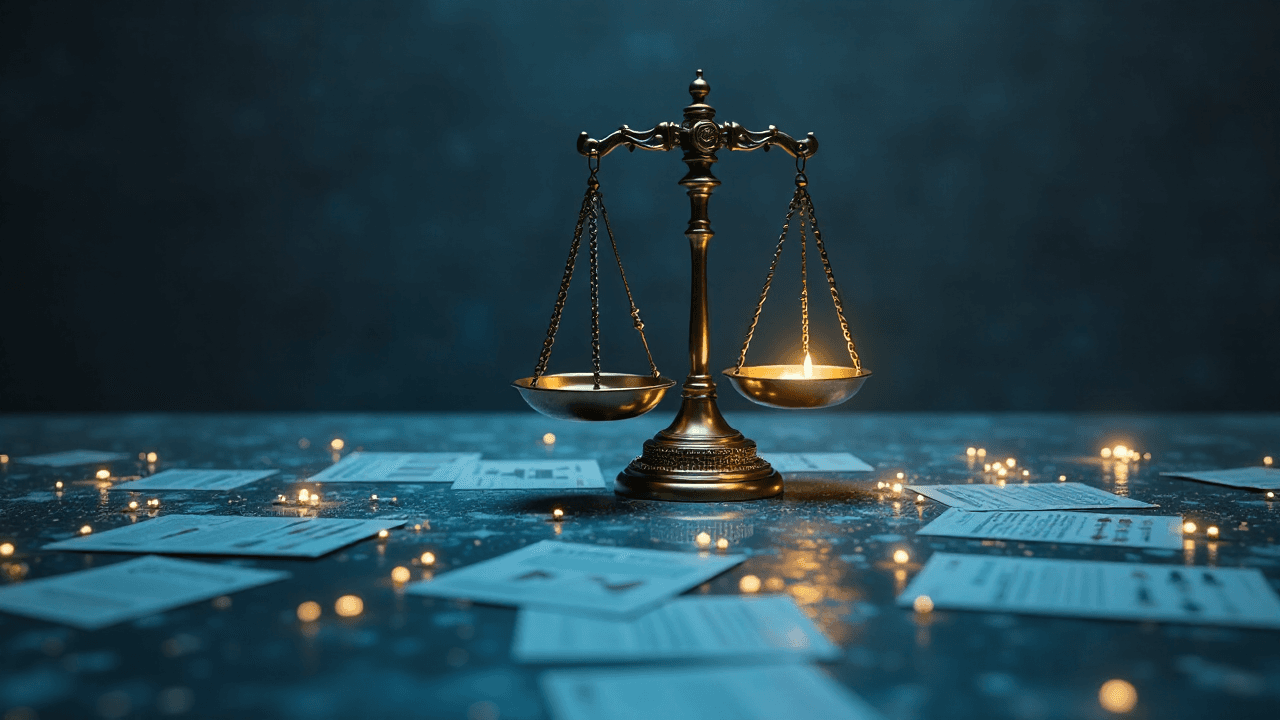
xAI, Grok ile çocuk cinsel istismar materyali (CSAM) ürettikleri iddia edilen kullanıcılara karşı ilk hukuki davasını açtı; bu gelişme, şirketin modelin bu tür içerikler ürettiğini artık güvenilir biçimde inkâr edememesinin ardından yaşanan sert bir hukuki dönüşümü simgeliyor.
Aylarca xAI'nin standart tutumu, Grok'un güvenlik filtrelerinin yasadışı görüntü üretimini engellediği yönündeydi. Ancak modelin belirli koşullar altında CSAM üretebileceğini gösteren belgelenmiş kanıtların ortaya çıkmasıyla bu tutum sürdürülemez hale geldi. Ars Technica'nın haberine göre, xAI'nin bu inkâr edilebilirliği yitirmesine verdiği yanıt, kamuoyuna yönelik kapsamlı bir güvenlik reformu duyurusu değil — kullanıcıların kendisini hedef alan bir dava oldu.
Hukuki işlem cezai değil hukuki nitelikte; bu ayrım, stratejik işlevi açısından önem taşıyor. CSAM'a ilişkin cezai kovuşturma, federal ve eyalet kolluk kuvvetlerinin görevidir. Hukuki bir dava ise xAI'nin doğrudan tazminat talep etmesine olanak tanıyor ve daha pratik bir açıdan şirketi pasif bir platform değil, aktif bir uygulayıcı olarak konumlandırıyor — bu ayrım, yapay zeka sağlayıcısı sorumluluğuna ilişkin süregelen politika tartışmalarında belirleyici bir ağırlık taşıyor.
Dava kapsamı itibarıyla dar, ancak çıkarımları itibarıyla geniş. xAI, modeli reforme etmek ya da piyasadan çekmek yerine kullanıcılara dava açarak Grok'un tarafsız bir araç olduğunu ve zararın yalnızca onu kötüye kullanan kötü niyetli kişilerin sorumluluğunda olduğunu savunuyor. Bu çerçeve mahkemede sınanacak; ancak aynı zamanda bir hesabı da yansıtıyor: dava açmak, köklü bir model yeniden tasarımından hem daha ucuz hem de daha hızlı; üstelik düzenleyicilerin ve yasama organlarının işaret edebileceği bir uygulama sicili oluşturuyor.
Yapay zeka görüntü üretim araçlarını kullanan yaratıcılar için — Charmloop'un üreteci gibi platformlar dahil — bu dava, bu kategorideki kullanım koşulları ihlallerinin artık yalnızca hesap kapatma gerekçesi olmadığının somut bir hatırlatıcısı. xAI, bu ihlalleri artık dava açma gerekçesi olarak değerlendiriyor. Bu, yapay zeka platformlarının istismara nasıl yanıt verebileceği konusunda anlamlı bir tırmanmayı temsil ediyor ve diğer sağlayıcılar sonucu yakından izleyecek.
Zamanlama da önem taşıyor. Yapay zeka sektörü, üretilen yasadışı görüntüler konusunda giderek yoğunlaşan düzenleyici denetim baskısıyla karşı karşıya; bu dava ise xAI'ye savunulabilir bir kamuoyu tutumu kazandırıyor: bunu dava açacak kadar ciddiye alıyoruz. Mahkemelerin şirketin örtük argümanını — yani platformun, modelin açıkça üretebileceği içeriklerden sorumlu olmadığı iddiasını — kabul edip etmeyeceği ise çözüme kavuşması yıllar alabilecek ayrı bir sorudur.
Grok meselesi, her görüntü üretim platformunun karşı karşıya olduğu yapısal bir gerilimi gün yüzüne çıkarıyor: devasa veri kümeleri üzerinde eğitilen modeller, yaratıcılarının öngörmediği ya da kamuoyuna duyurmamayı tercih ettiği yetenekler geliştirebiliyor. Bu yetenekler kamuoyuna yansıdığında şirketin seçenekleri kısıtlı kalıyor. Modelin tamamen geri çekilmesi hem pahalı hem de itibar açısından yıkıcı. Sessiz sedasız bir filtre yaması ise bir itiraf gibi görünebiliyor. Kullanıcılara dava açmak üçüncü bir yol — altta yatan model sorusu çözümsüz kalırken dikkati bireysel kötü aktörlere yönlendiren bir yol.
Bir yapay zeka şirketinin açıkladığı güvenlik tutumu ile modelin gerçek davranışı arasındaki uçurumla yüzleşmesi ilk kez yaşanmıyor. Meta'nın, onay sorunları üzerine gelen tepkilerin ardından Instagram AI Muse özelliğini kaldırması farklı bir yanıtı gözler önüne seriyor: özelliği kaldır, eleştirileri üstlen, devam et. xAI ise geri çekilmek yerine yüzleşmeyi seçiyor.
Yapay zeka üretimi görüntüler üzerine iş akışları kuran yaratıcılar için pratik sonuç açık: kötüye kullanımın hukuki riski sektör genelinde yükseliyor ve platformlar bu riski yalnızca bir moderasyon meselesi olarak değil, giderek artan biçimde bir dava konusu olarak ele almaya hazır. Kullandığınız araçların güvenlik ve kullanım politikalarını anlamak artık isteğe bağlı bir idari iş değil — temel risk yönetiminin zorunlu bir parçası.