Sources
Weekly digest
Stay ahead of AI art
Get the week's top AI and AI-art stories delivered to your inbox — curated, concise, free.
Free. Unsubscribe any time.
Discuss this with
Pick a companion and get their take on this story
Get the week's top AI and AI-art stories delivered to your inbox — curated, concise, free.
Free. Unsubscribe any time.
Pick a companion and get their take on this story



Suno is rolling out audio watermarking and per-account download limits for AI-generated tracks, a direct response to what the company calls "large-scale abuse" of its platform — and a sign that the freewheeling era of anonymous AI music distribution is closing.
Suno's watermarking technology will embed a signal directly into the audio — inaudible to listeners but detectable by platforms or rights-holders running detection software. That's a meaningful shift from the current situation, where an AI-generated track and a human-made one are technically indistinguishable at the file level. Once watermarks are live, any track traced back to Suno could be flagged on streaming platforms, rejected by distributors, or pulled from charts — a practical concern given that major labels have already proposed banning AI-generated songs from chart eligibility entirely.
For creators using Suno to produce music for sync licensing, social media, or commercial release, this is the critical question: will distributors like DistroKid or TuneCore start scanning for Suno's watermark the same way they now scan for copyright matches? Suno hasn't said, and the company hasn't named which watermarking technology it's adopting — a gap worth watching.

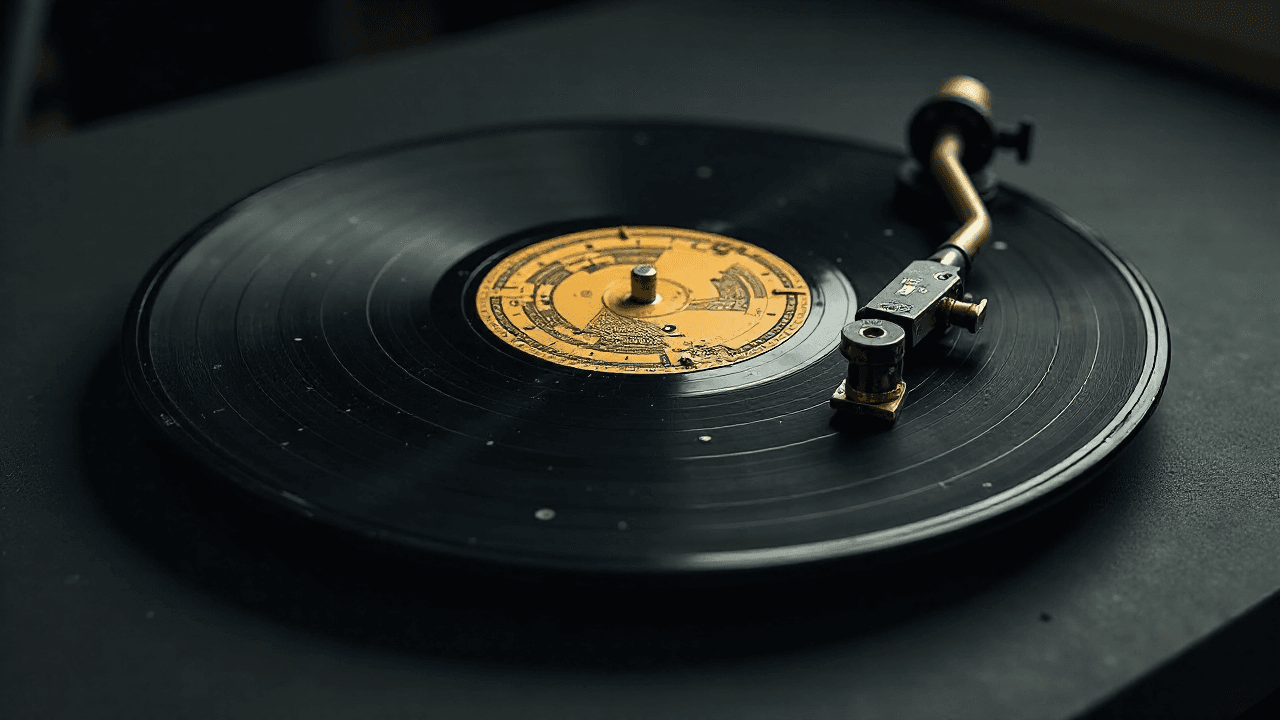
Suno is adding audio watermarks and download caps as it seeks legitimacy amid legal pressure.
Image: The Verge / The Verge AI
The download limit policy targets a specific behavior: accounts bulk-generating and bulk-downloading tracks to flood streaming platforms or manipulate recommendation algorithms. According to The Verge, Suno's blog post explicitly frames the caps as a tool to stop spam at scale, not to restrict ordinary creative use. In practice, casual creators who generate a handful of tracks per session are unlikely to hit any ceiling — but producers running automated pipelines to churn out library music at volume will.
The timing is pointed. Suno is in active litigation with record labels over whether its training data constituted copyright infringement. Demonstrating that it takes platform integrity seriously — through watermarks, download limits, and a public statement of principles from CEO Mikey Shulman — is as much a legal and PR posture as a technical one.
Suno's move fits a pattern accelerating across AI-generated content. The EU AI Act's transparency obligations, which took effect in early August, now require companies to label AI-generated audio and video in many contexts. Separately, tools like Treblo's open-source AI music classifier have already demonstrated that AI-generated tracks can be identified and confirmed publicly — the Suno watermark would make that identification far more reliable and legally defensible.
For AI-art and AI-music creators, the trajectory is clear: provenance tracking is becoming infrastructure, not optional. Watermarks in audio follow the same logic as C2PA metadata in images — a technical layer that platforms and regulators can use to enforce disclosure rules. Creators who plan to distribute AI-generated music commercially should start asking their distributors now whether Suno-watermarked files will be accepted, and under what conditions.
Suno hasn't announced a rollout date for either feature. Given the active litigation, expect the watermarking system to arrive sooner rather than later — the company has every incentive to show courts and label executives it's acting in good faith before the next hearing.