Sources
Guides
Learn the craft
Step-by-step guides on prompting, styles, and getting the most out of AI image generation.
Read the guidesDiscuss this with
Pick a companion and get their take on this story
Step-by-step guides on prompting, styles, and getting the most out of AI image generation.
Read the guidesPick a companion and get their take on this story

Roku has launched Fairground, a free ad-supported streaming channel that runs AI-generated video continuously — no human-produced shows, no licensed films, just machine-made content on a loop.
FAST channels have historically succeeded by surfacing forgotten catalog — old procedurals, classic horror, vintage game shows. Fairground abandons that premise entirely. There is no catalog. The content is generated, not licensed, and the experience reviewers describe is closer to a screensaver with narrative pretension than a conventional channel.
The Verge's write-up was blunt: watching it feels like passive consumption without the usual anchors of character, continuity, or craft that make passive TV watchable. That's a meaningful data point, not just a taste judgment. It suggests that volume of AI output does not automatically translate into the kind of low-attention-cost entertainment that makes FAST channels sticky.

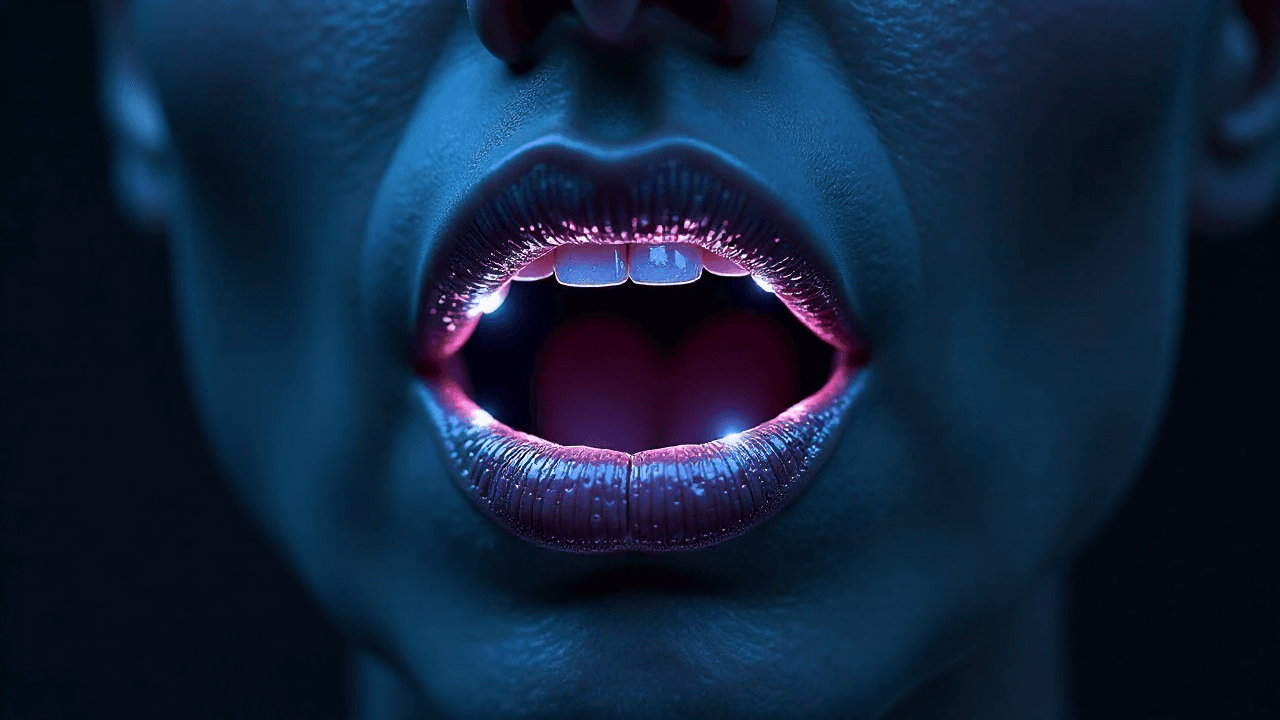
AI-generated imagery from Roku's Fairground channel illustrates the uncanny visual register the platform operates in.
Image: The Verge / The Verge AI
For anyone building with AI video tools — whether that's Runway, Kling, Sora, or newer models — Fairground is the first real-world stress test of what AI video looks like at broadcast scale and in a passive viewing context. The results, at least critically, are not flattering. But the infrastructure fact is significant: a major streaming platform has opened a dedicated slot for AI-generated content, with ad revenue attached.
That changes the economics of AI video production in a concrete way. Previously, the distribution question for AI-generated video was mostly about social platforms. Snapchat recently cut AI-generated videos from its Spotlight recommendations, tightening one outlet. Roku's move opens a different one — passive lean-back TV, where the quality bar is historically lower and watch-time metrics matter more than engagement.
The catch is that "lower bar" does not mean "no bar." The critical response to Fairground suggests that AI video in 2025 can fill a channel's runtime without clearing the watchability threshold that makes ad-supported streaming commercially viable long-term. Advertisers on FAST channels care about completion rates and return visits. A channel that feels like eating from a trough does not optimize for either.
The practical implication for creators working with AI video tools is that raw generation capacity is no longer the bottleneck — curation, pacing, and narrative coherence are. Fairground's apparent weakness is not that it runs out of content; it's that the content lacks the structural hooks that make any video worth watching past the first thirty seconds.
That's a prompting and post-production problem as much as a model problem. Creators who figure out how to inject continuity — recurring characters, consistent visual style, episodic structure — into AI-generated video will be better positioned for distribution channels like this than those who treat generation as an end in itself. The /guides on AI video technique are increasingly relevant here, as the gap between "generated" and "watchable" is where the real creative work happens.
Roku has not disclosed how Fairground is performing in terms of viewership or ad fill rates. Those numbers, when they emerge, will tell a more definitive story about whether AI-generated FAST content has a commercial future or whether Fairground is an experiment that quietly fades.