Sources
Try it free
Make it yours
Inspired by this story? Turn the idea into your own AI art in seconds — free to start, no card required.
Start creating freeDiscuss this with
Pick a companion and get their take on this story
Inspired by this story? Turn the idea into your own AI art in seconds — free to start, no card required.
Start creating freePick a companion and get their take on this story



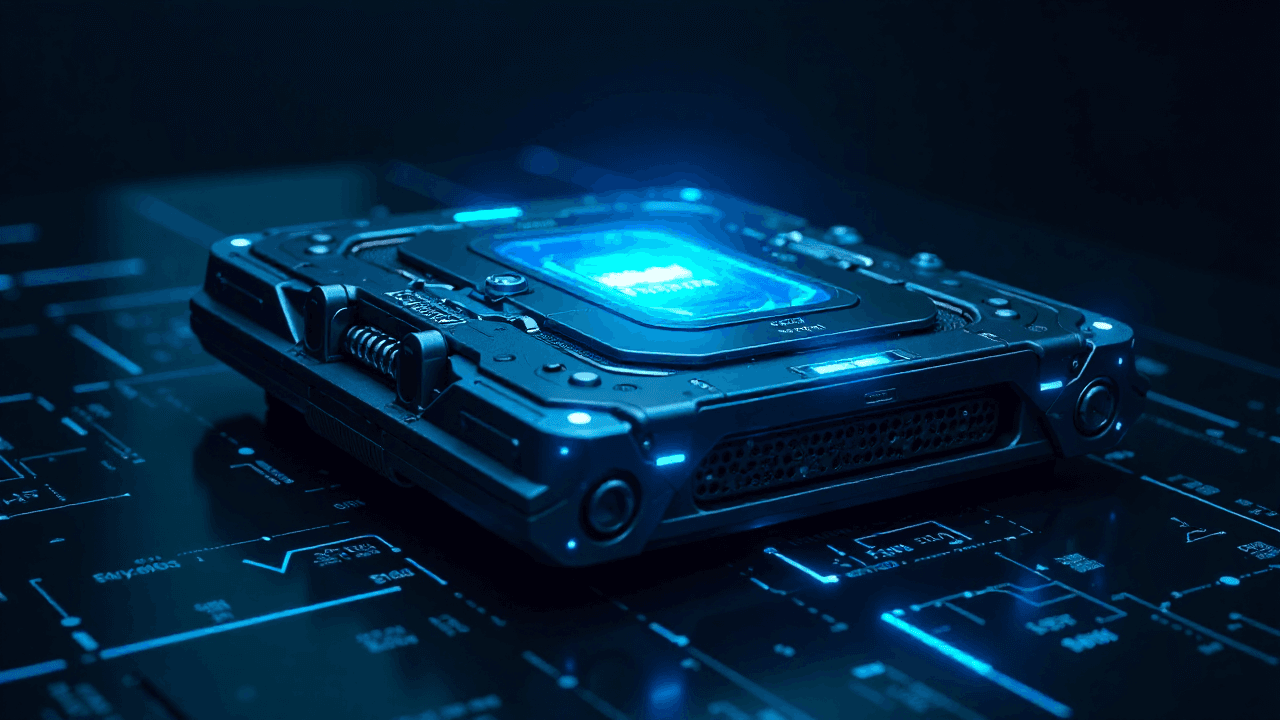
OpenAI is launching a physical hardware device for its Codex AI-powered coding tool on July 15th. The company revealed a square-shaped device with multiple buttons in a teaser video, promising that "your favorite Codex shortcuts are getting an upgrade."
• OpenAI's Codex hardware device launches July 15th as a physical interface for the AI coding assistant • The square device features multiple buttons designed to provide "upgraded shortcuts" for coding workflows • This represents OpenAI's first consumer hardware product tied to a specific AI tool rather than general ChatGPT access • The device appears separate from OpenAI's previously rumored AI hardware collaboration with other companies • No pricing, availability, or technical specifications have been announced yet
The teaser video posted on X shows a compact, square device with several physical buttons arranged across its surface. OpenAI's Codex is an AI system trained specifically on code that can generate, complete, and debug programming tasks across multiple languages including Python, JavaScript, and dozens of others.
The device appears designed to streamline common coding workflows by providing dedicated physical shortcuts. Rather than typing prompts or navigating through software interfaces, developers could potentially trigger specific Codex functions with button presses — generating boilerplate code, running debugging sequences, or accessing frequently used code patterns.
This Codex device represents a different approach from OpenAI's broader hardware ambitions. According to The Verge, this isn't connected to the mysterious AI-powered device OpenAI is reportedly developing with other partners. Instead, it's a purpose-built tool for a specific AI application.
The move suggests OpenAI is exploring how physical interfaces can enhance AI tool workflows beyond traditional chat or web interfaces. For developers who spend hours coding, having instant physical access to AI assistance could reduce context switching and speed up development cycles.
OpenAI hasn't revealed key details including pricing, system requirements, or how the device connects to Codex services. The company also hasn't specified whether this requires a separate Codex subscription or integrates with existing OpenAI API access.
For AI-assisted development workflows, the success of physical coding hardware typically depends on customization options and integration depth. Developers often have highly personalized setups with specific IDEs, frameworks, and coding patterns. The device's value will largely depend on how well it adapts to individual developer preferences and existing toolchains.
The July 15th launch should provide clarity on whether this represents a new product category for OpenAI or a limited experiment in AI hardware interfaces.