Sources
Join the community
Create your free Charmloop account — no credit card, no limits on browsing. Start making AI art in minutes.
Discuss this with
Pick a companion and get their take on this story
Create your free Charmloop account — no credit card, no limits on browsing. Start making AI art in minutes.
Pick a companion and get their take on this story



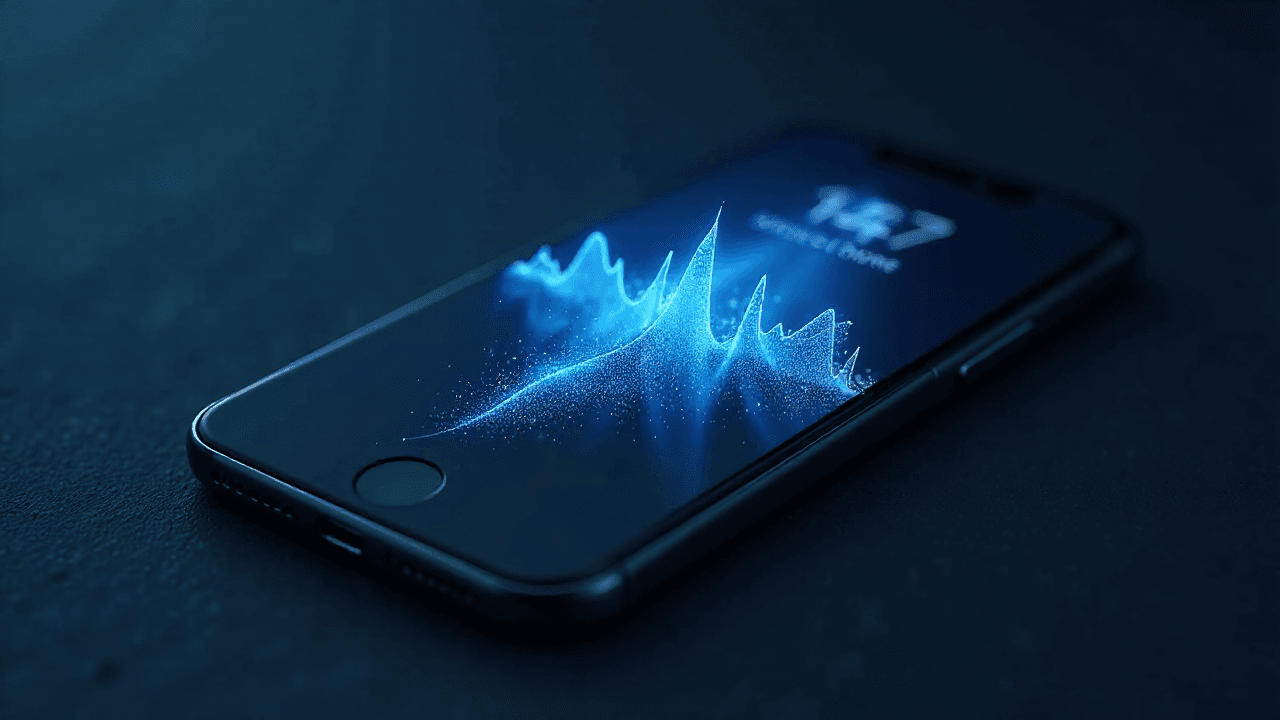
Apple's iOS 27 beta now includes controls to customize Siri's speaking pace and emotional expressivity, marking the first time users can fine-tune the assistant's vocal delivery as part of Apple's broader generative AI overhaul.
• iOS 27 beta introduces adjustable controls for Siri's speaking speed and emotional tone, allowing users to personalize the assistant's voice characteristics • The customization features are part of Apple's complete rebuild of Siri using generative AI technology, moving away from the previous rule-based system • Users can now modify how fast or slow Siri speaks and adjust the level of expressiveness in responses through dedicated settings • The update represents Apple's push to make AI assistants feel more natural and human-like through personalized voice interaction • These voice controls could preview similar customization options coming to other AI-powered Apple services and applications
The new voice customization settings appear in iOS 27's Siri preferences, where users can adjust two primary parameters: pace and expressivity. The pace control lets users slow down or speed up Siri's speech delivery, while the expressivity setting modifies how much emotional inflection and variation the assistant uses in its responses.
According to TechCrunch, these controls represent Apple's effort to make Siri feel more natural and personal as the company transitions the assistant to run on generative AI models rather than its previous rule-based architecture. The voice customization sits alongside other personalization features Apple has been testing in recent betas.
The customizable voice features rely on Apple's new generative AI foundation that powers the rebuilt Siri. Unlike the original Siri, which used pre-recorded voice clips and rigid response patterns, the generative version can modify vocal characteristics in real-time based on user preferences and context.
This shift to AI-generated speech allows for the granular control over pace and expressivity that wasn't possible with the previous system. Users can now have Siri speak more slowly for accessibility reasons or increase expressiveness for a more conversational feel, depending on their preferences.
Apple's voice customization features follow similar trends across the AI industry, where companies are focusing on making AI assistants feel more human and personalized. The ability to adjust speaking pace addresses practical accessibility needs, while expressivity controls cater to users who want their AI interactions to feel more natural.
The timing of these features suggests Apple is preparing Siri for more complex conversational scenarios where voice delivery becomes crucial for user experience. As generative AI enables longer, more nuanced responses from Siri, having control over how those responses sound becomes increasingly important.
The voice customization features are currently available only in the iOS 27 developer beta, with no confirmed timeline for the public release. Apple typically refines beta features through multiple iterations before including them in the final iOS release.
The controls appear as sliders in the Siri settings menu, allowing users to adjust pace from very slow to very fast, and expressivity from monotone to highly animated. Changes take effect immediately, letting users test different combinations to find their preferred voice settings.
These voice controls could signal Apple's broader strategy for AI personalization across its ecosystem, potentially extending similar customization options to other AI-powered features in macOS, watchOS, and future Apple Intelligence capabilities as the company continues rebuilding its AI infrastructure around generative models.