Fonti
Provalo gratis
Falla tua
Ti ha ispirato questa storia? Trasforma l’idea nella tua arte con IA in pochi secondi: inizi gratis, senza carta.
Inizia gratisParlane con
Scegli un compagno e scopri cosa ne pensa di questa storia
Ti ha ispirato questa storia? Trasforma l’idea nella tua arte con IA in pochi secondi: inizi gratis, senza carta.
Inizia gratisScegli un compagno e scopri cosa ne pensa di questa storia
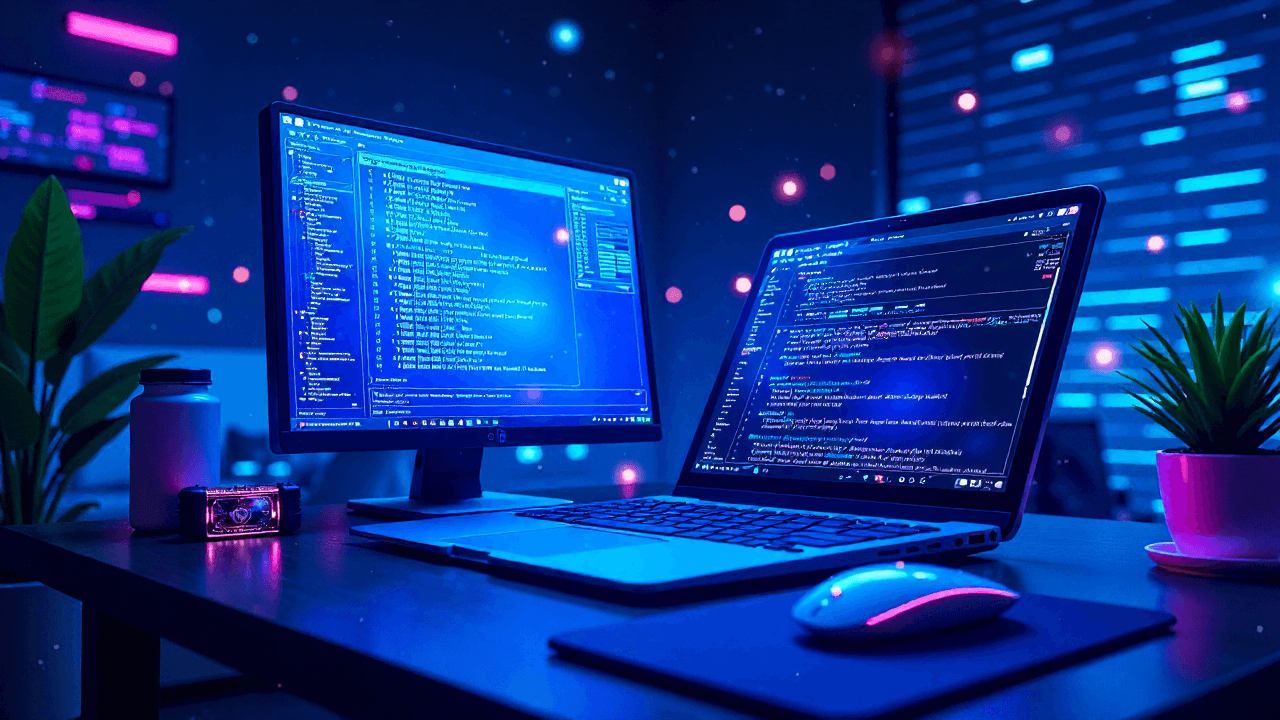
Nous Research ha rilasciato NousCoder-14B, un modello di programmazione open-source che potrebbe avere un impatto significativo su come i creatori di AI-art approcciano l'automazione dei flussi di lavoro e lo sviluppo di strumenti personalizzati. Come riportato da VentureBeat, questo modello da 14 miliardi di parametri è stato addestrato in soli quattro giorni utilizzando 48 GPU Nvidia B200, eppure secondo quanto riferito eguaglia o supera le prestazioni di sistemi proprietari molto più grandi.
Per i creatori di AI-art, questo sviluppo rappresenta più di un semplice assistente di programmazione — è un potenziale gateway per costruire strumenti personalizzati sofisticati senza richiedere competenze di programmazione estese o accesso API costoso a modelli proprietari.
L'impatto più immediato risiede nell'automazione dei flussi di lavoro. Molti creatori di AI-art attualmente si affidano a processi manuali per operazioni batch, gestione dei metadati o coerenza stilistica attraverso progetti di grandi dimensioni. Un modello di programmazione open-source capace potrebbe aiutare i creatori a sviluppare script personalizzati per:
A differenza degli assistenti di programmazione proprietari che richiedono costi di abbonamento continui, la natura open-source di NousCoder-14B significa che i creatori possono eseguirlo localmente o sui propri server, fornendo sia controllo dei costi che privacy dei dati — considerazioni cruciali quando si lavora con concetti artistici proprietari o progetti per clienti.
La tempistica di addestramento di quattro giorni è particolarmente significativa. Lo sviluppo tradizionale di modelli AI richiede mesi di addestramento e milioni in costi di calcolo, mettendo le capacità avanzate fuori dalla portata di creatori individuali o piccoli studi. Il ciclo di sviluppo rapido di NousCoder-14B suggerisce che modelli di programmazione specializzati per applicazioni creative potrebbero diventare più accessibili.
Questo potrebbe portare allo sviluppo guidato dalla comunità di strumenti di nicchia specificamente progettati per la creazione di AI-art — pensate a implementazioni ControlNet personalizzate, algoritmi di upscaling specializzati o interfacce di prompt engineering innovative. Il catalogo di stili artistici e tecniche disponibili potrebbe espandersi rapidamente man mano che i creatori ottengono un accesso più facile agli strumenti di programmazione necessari per implementare le loro idee.
Sebbene promettente, integrare l'AI di programmazione nei flussi di lavoro creativi presenta sfide uniche. A differenza dei compiti di programmazione generale, lo sviluppo di strumenti per AI-art spesso richiede la comprensione sia dell'implementazione tecnica che dei principi artistici. L'efficacia del modello dipenderà da quanto bene riuscirà a colmare questo divario.
I creatori che cercano di sfruttare tali strumenti dovranno considerare attentamente le loro esigenze specifiche. I compiti di automazione semplici potrebbero beneficiarne immediatamente, mentre lo sviluppo di addestramento di modelli personalizzati più complessi o lo sviluppo di algoritmi innovativi potrebbero ancora richiedere competenze tecniche significative anche con l'assistenza AI.
I tempi coincidono con la crescente domanda di strumenti di AI-art personalizzati. Mentre i creatori cercano di differenziare il loro lavoro e ottimizzare i loro processi, la capacità di prototipare e distribuire rapidamente soluzioni personalizzate diventa sempre più preziosa. Coloro che sono interessati a esplorare tecniche di generazione avanzate possono iniziare con le guide esistenti mentre considerano come l'AI di programmazione potrebbe migliorare il loro futuro toolkit.
NousCoder-14B rappresenta una tendenza più ampia verso la democratizzazione degli strumenti di sviluppo AI. Per la comunità di AI-art, questo potrebbe significare cicli di innovazione più veloci, strumenti più specializzati e maggiore controllo creativo sugli aspetti tecnici della generazione di immagini. La domanda non è se l'AI di programmazione avrà un impatto sui flussi di lavoro creativi, ma quanto rapidamente i creatori adatteranno questi strumenti per spingere i confini di ciò che è possibile nell'arte generata dall'AI.