Sources
Récap hebdo
Gardez une longueur d’avance sur l’art IA
Recevez chaque semaine les meilleures actus IA et art IA dans votre boîte mail — sélectionnées, concises, gratuites.
Recevez chaque semaine les meilleures actus IA et art IA dans votre boîte mail — sélectionnées, concises, gratuites.
Gratuit. Désabonnement à tout moment.
Choisissez un compagnon et découvrez son avis sur cette histoire

La gouverneure de New York, Kathy Hochul, a signé le premier moratoire étatique sur les centres de données de l'histoire des États-Unis, bloquant les nouveaux permis environnementaux pour les grandes installations hyperscale pendant un an — un défi direct au déploiement de l'infrastructure IA qui s'est fortement accéléré depuis 2023.
L'arrêté exécutif cible les nouvelles approbations de permis environnementaux pour les grands centres de données — les installations hyperscale qui hébergent les clusters de GPU alimentant l'entraînement et l'inférence des modèles de fondation. Les centres existants ne sont pas concernés ; la pause s'applique uniquement aux nouvelles demandes de construction. Selon The Verge, un projet de loi distinct adopté par la législature de l'État, qui pourrait imposer des restrictions encore plus strictes, attend toujours sur le bureau de Hochul.
La fenêtre d'un an est présentée comme le temps nécessaire à l'État pour étudier les impacts cumulatifs : charge sur le réseau électrique, consommation d'eau pour le refroidissement, et adéquation de la supervision locale en matière de zonage. Le réseau de New York est déjà sous tension, et les grands centres de données IA — certains consommant des centaines de mégawatts — sont devenus un point de pression politiquement visible.

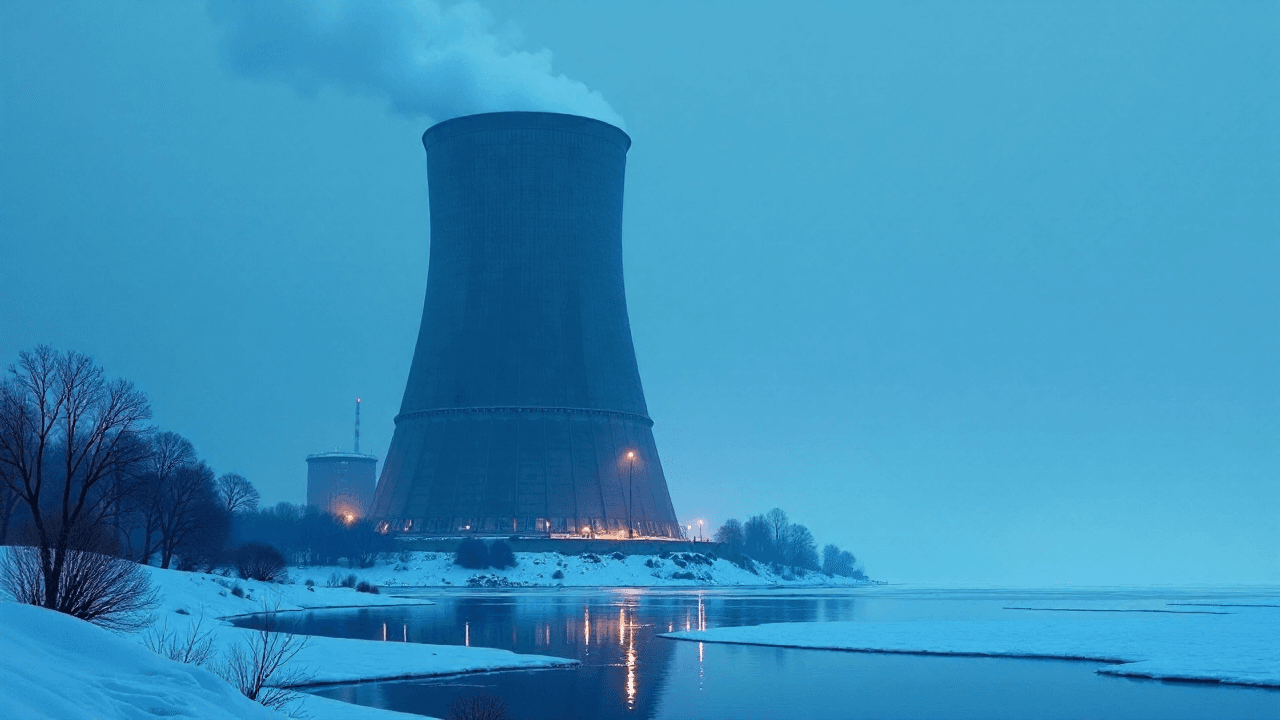
Le moratoire de New York bloque les nouveaux permis environnementaux pour les centres de données hyperscale pendant une durée pouvant aller jusqu'à un an.
Image : TechCrunch / TechCrunch AI
Pour les créateurs d'art IA, cela pourrait sembler être une histoire de politique sans lien direct. Ce n'est pas le cas. La disponibilité, la latence et le prix de l'inférence IA — le calcul qui fait tourner les modèles de génération d'images comme Flux, Stable Diffusion XL ou le backend de Midjourney — sont étroitement liés à l'endroit où les centres de données peuvent être construits et à quel coût. New York est l'un des plus grands marchés d'infrastructure cloud du Nord-Est, et toute contrainte sur la capacité y ajoute une pression sur un système déjà mis à rude épreuve par une demande en forte hausse.
Si d'autres États suivent l'exemple de New York — et Ars Technica note que le moratoire pourrait devenir un modèle pour les mouvements anti-IA ailleurs — l'empreinte géographique disponible pour les nouvelles capacités GPU se réduit. Cela tend à se traduire par des coûts d'inférence plus élevés à terme, qui finissent par se manifester sous forme de hausses de prix ou de ralentissements de la vitesse de génération sur les plateformes qui s'appuient sur le calcul cloud tiers.
Cela rejoint un phénomène que Charmloop a couvert plus tôt cette année : la résistance locale aux centres de données IA s'intensifie déjà à travers les États-Unis, portée par les mêmes préoccupations relatives au réseau électrique et à l'utilisation de l'eau citées par Hochul. L'action de New York fait passer cette résistance du niveau municipal au droit étatique pour la première fois.
Le moratoire lui-même est un arrêté exécutif — il peut être annulé ou prolongé par la gouverneure. La variable la plus déterminante est le projet de loi distinct déjà adopté par la législature. Si Hochul le signe, les restrictions pourraient devenir statutaires et bien plus difficiles à défaire, survivant potentiellement à son administration. La réponse de l'industrie IA dépendra vraisemblablement de cette seconde décision.
Pour les créateurs qui utilisent des outils de génération basés sur le cloud — c'est-à-dire la grande majorité d'entre eux — l'impact pratique à court terme est minimal. Aucune infrastructure existante n'est mise à l'arrêt, et la pause porte sur les permis, pas sur les opérations. Mais le signal à moyen terme est clair : le coût politique de la construction de calcul IA dans des États denses et réglementés est en hausse. Les fournisseurs qui ont besoin d'étendre leurs capacités se tourneront de plus en plus vers des États aux procédures d'autorisation plus souples, aux terrains moins chers et à une politique énergétique plus favorable — un glissement géographique qui redessine l'endroit où se construit l'épine dorsale physique de l'industrie IA, et qui en contrôle les conditions.
Les créateurs qui souhaitent anticiper l'impact des évolutions d'infrastructure sur la disponibilité des modèles et les prix peuvent suivre les développements dans le catalogue de modèles Charmloop au fil des réponses des fournisseurs.