Sources
Guides
Learn the craft
Step-by-step guides on prompting, styles, and getting the most out of AI image generation.
Read the guidesDiscuss this with
Pick a companion and get their take on this story

Elias unpacks the research behind the headlines in plain language.
Step-by-step guides on prompting, styles, and getting the most out of AI image generation.
Read the guidesPick a companion and get their take on this story



Meta has open-sourced the code for its Muse AI agent, giving developers and hobbyists everything they need to embed Muse into custom hardware — from color E Ink displays to HDMI sticks plugged into any television.
Meta's Muse is an always-on AI agent — software that runs continuously in the background, taking actions across connected apps rather than simply answering questions — and until now it has lived inside Meta's own apps and the company's Home Link gadget. The open-source release changes that boundary entirely.
According to The Verge, Meta is suggesting three starter project archetypes: loading Muse onto a color E Ink display to cycle through reminders and calendar events, attaching it to an HDMI stick so any TV becomes a Muse screen, and building it into other ambient-display form factors. The code handles the Muse agent logic itself; builders supply the hardware and any custom interface layer on top.
For AI-art creators specifically, the interesting angle is ambient display. A low-power E Ink panel running Muse could, in principle, be prompted to surface image generation queues, show the latest outputs from a connected platform, or manage workflow reminders without requiring a full desktop. The SDK makes that kind of integration a hardware project rather than a software-only one.

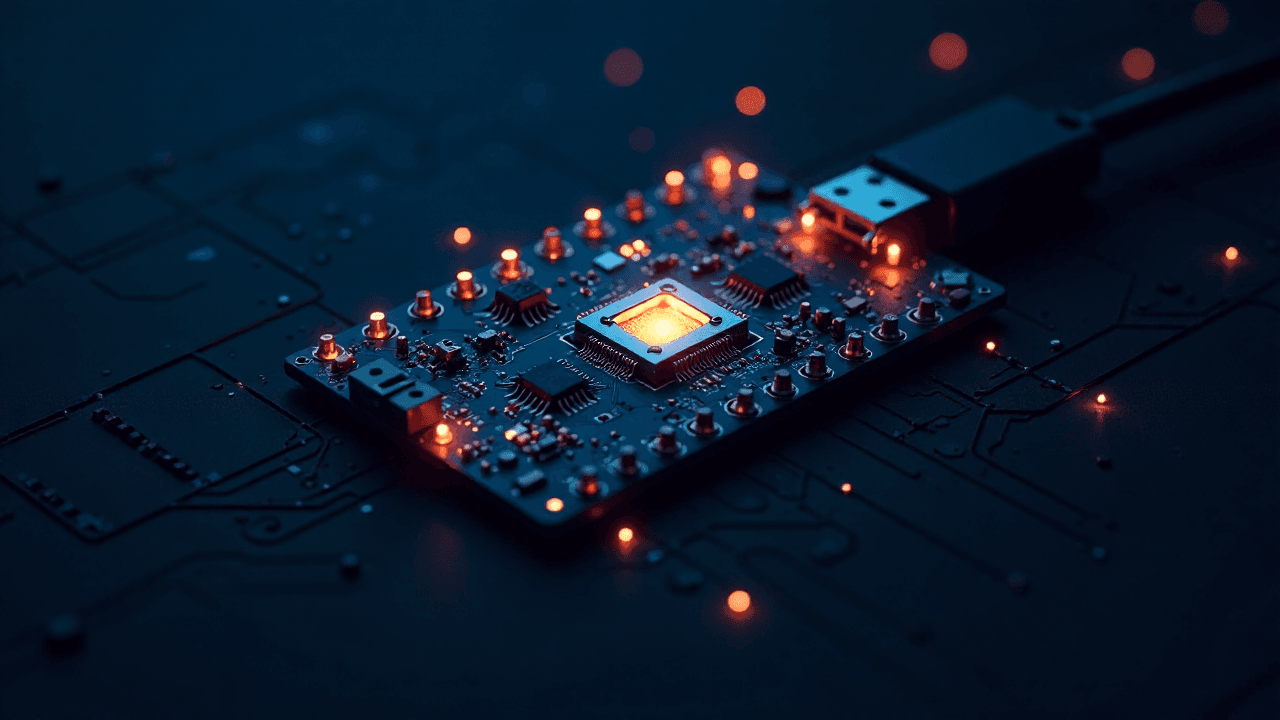
Meta's Muse Home Link device, the commercial reference point for the new open-source SDK.
Image: The Verge / The Verge AI
The logic mirrors what Google did with Android and what Amazon did with Alexa skills: seed an ecosystem of third-party hardware so the agent becomes ubiquitous before rivals can consolidate. Meta's commercial Home Link gadget sets a reference design, but the open-source SDK is the real expansion play — it lets the Muse agent appear in form factors Meta would never build itself.
That competitive context matters. OpenAI's Dots, its own always-on agent platform, is building toward a similar ecosystem. Whichever agent ends up embedded in the most devices has a structural advantage in habit formation, which is ultimately more valuable than any single feature.
Meta has not been without stumbles here. An earlier incident in which Muse shared a user's home address with a stranger on Facebook Marketplace raised pointed questions about how much autonomy the agent should have when handling sensitive personal data. Developers building on the open-source SDK will inherit those same trust questions — and will need to think carefully about what permissions their custom hardware requests from users.
The open-source release does not mean Muse runs fully locally. The agent still relies on Meta's backend for its core reasoning, which means any custom gadget needs a persistent internet connection and is subject to Meta's terms of service and data practices. That is a meaningful constraint for anyone hoping to build a fully self-contained, offline device.
Hardware cost is the other variable. E Ink displays and single-board computers capable of running the SDK are inexpensive — a basic build could come in under $50 in components — but the integration work is non-trivial if you have not done embedded Linux development before. Meta's suggested projects are reference points, not plug-and-play kits.

Muse is Meta's always-on AI agent, now available as an open-source SDK for custom hardware builds.
Image: The Verge / The Verge AI
For creators who already use AI tools in their workflows, the more immediate question is whether Muse's agentic capabilities are actually useful for image-generation tasks — managing generation queues, organizing outputs, or handling the repetitive scheduling work that eats into creative time. Exploring what AI tools can do in a generation workflow is a reasonable first step before investing in a hardware build. The SDK is available now; the reference project documentation is on Meta's developer site.