Sources
Try it free
Make it yours
Inspired by this story? Turn the idea into your own AI art in seconds — free to start, no card required.
Start creating freeDiscuss this with
Pick a companion and get their take on this story
Inspired by this story? Turn the idea into your own AI art in seconds — free to start, no card required.
Start creating freePick a companion and get their take on this story
Google's latest Workspace updates represent a significant shift in how AI-powered creative tools reach mainstream users. The company announced new voice capabilities across Gmail, Docs, and Keep, alongside a design tool called Google Pics that brings AI-assisted visual creation directly into the productivity suite used by over 3 billion people worldwide.
For AI-art creators, this development signals something crucial: the creative AI tools we've been pioneering are now becoming standard features in everyday software. This mainstream integration creates both opportunities and challenges for the specialized AI-art community.
While Google hasn't revealed full technical details about Google Pics, the positioning as a "design tool" within Workspace suggests capabilities that could overlap with dedicated AI image generation platforms. The integration approach mirrors recent moves by other tech giants to embed AI creativity features directly into their core products.
This follows a pattern we've seen with Apple's recent iOS photo editing updates, where AI-powered visual tools are becoming default options rather than specialized applications. For creators accustomed to working with dedicated AI art platforms, this mainstream adoption validates the creative potential of AI while potentially commoditizing basic generation capabilities.
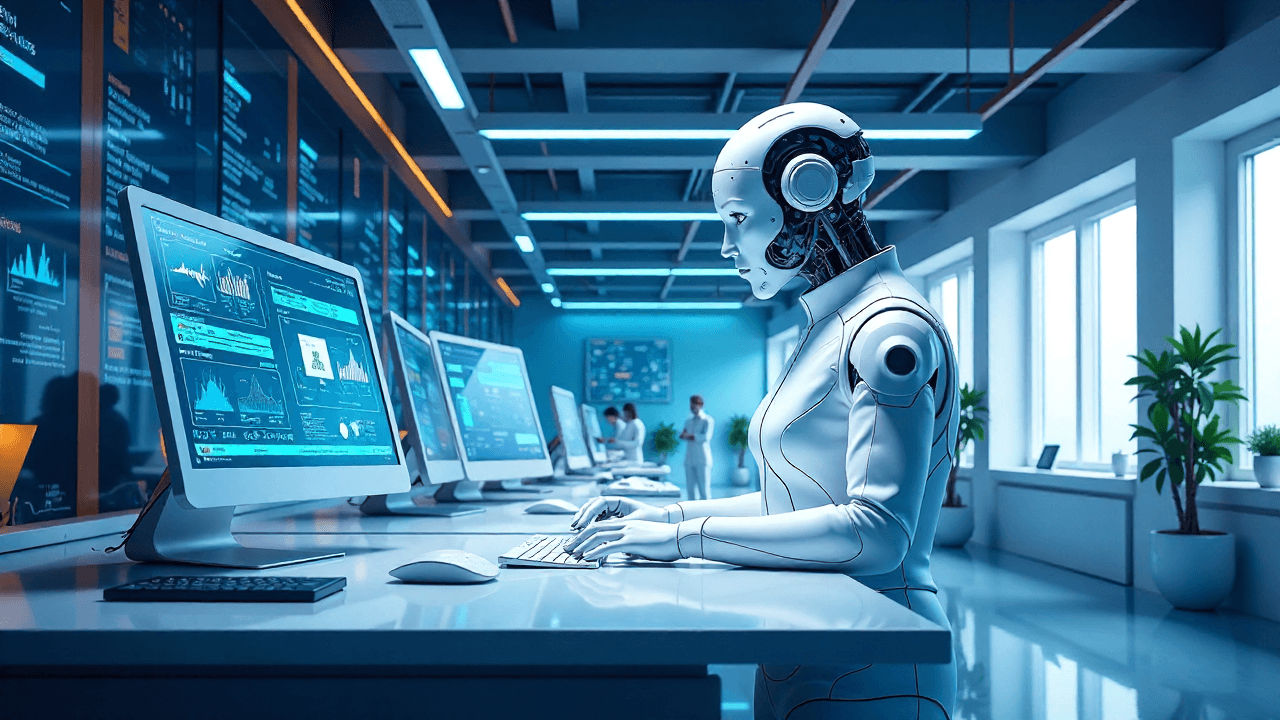
The new voice capabilities in Gmail, Docs, and Keep represent another dimension of AI integration that could affect how creators approach their workflows. Voice-to-text AI that understands context and can generate responses changes how we interact with creative briefs, project documentation, and client communications.
For AI artists managing multiple projects or collaborating with clients, having sophisticated voice AI built into standard productivity tools could streamline the administrative side of creative work. This allows more time for the actual creative process and experimentation with advanced AI models.
Google's move to integrate AI creativity features into Workspace creates a two-tier landscape. Casual users will have access to simplified AI tools for basic design needs, while serious creators will still need specialized platforms for advanced capabilities, custom models, and professional-grade outputs.
This differentiation actually strengthens the value proposition for dedicated AI-art platforms. As basic AI creativity becomes ubiquitous, the demand for sophisticated features, custom training, and professional workflows increases. Creators who master advanced techniques and tools maintain their competitive advantage even as AI becomes mainstream.
The integration of AI features into Workspace also raises questions about model capabilities and limitations. Enterprise-focused AI tools typically prioritize safety and consistency over creative freedom and experimental features. This conservative approach serves business users well but may not satisfy creators pushing creative boundaries.
Understanding these limitations becomes important for creators who might use Workspace AI for certain tasks while relying on specialized platforms for their primary creative work. The key is recognizing which tools serve which purposes in a comprehensive creative workflow.
Google's Workspace updates represent a maturation of the AI creativity space rather than a threat to specialized platforms. As AI becomes a standard feature in productivity software, the bar rises for what constitutes advanced AI artistry. This evolution pushes the entire ecosystem toward more sophisticated capabilities and creative possibilities.
For creators, this mainstream adoption validates the transformative potential of AI in creative work while highlighting the importance of staying ahead of the curve with advanced techniques and specialized tools.