Sources
Catalog
See it in action
Browse the models and styles behind stories like this one — free account, instant gallery.
Explore the catalog
Browse the models and styles behind stories like this one — free account, instant gallery.
Explore the catalogPick a companion and get their take on this story
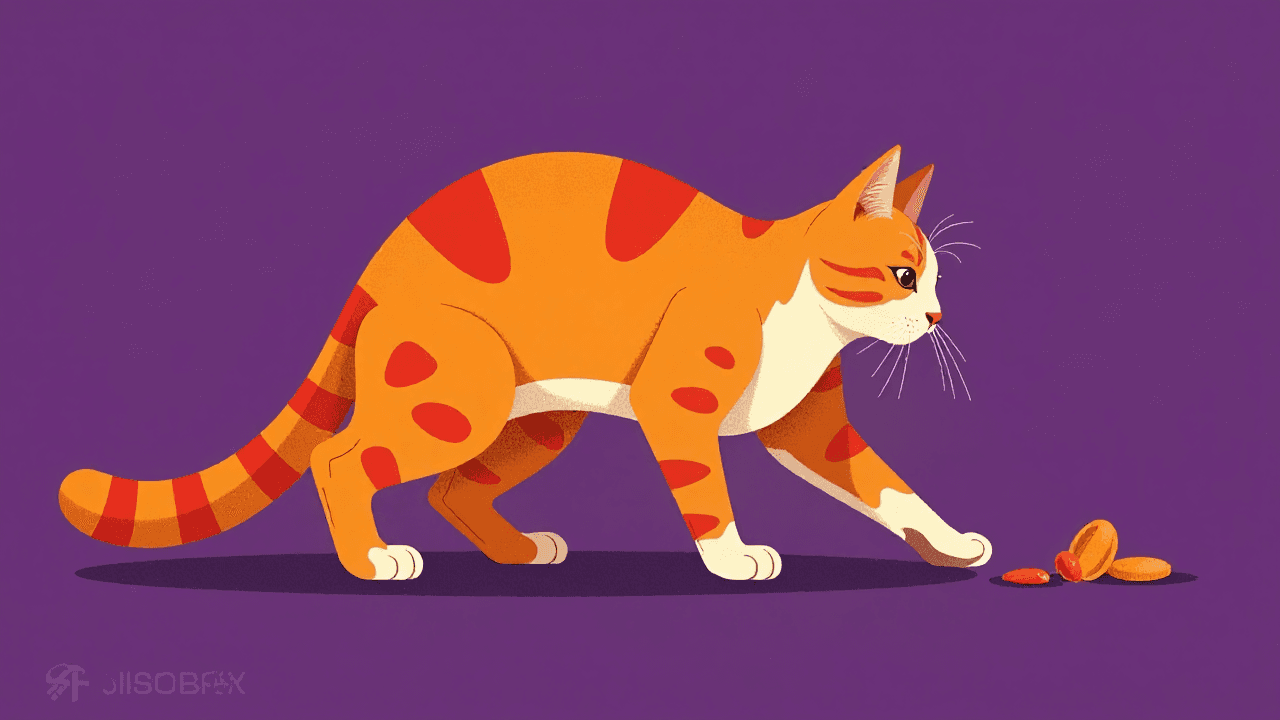
Google has released Nano Banana 2 Lite, its fastest and cheapest image-generation model to date, producing outputs in a few seconds — but at a visible quality cost compared to its larger siblings.\n\n## Key takeaways\n\n- Nano Banana 2 Lite is Google's fastest image model, generating images in a matter of seconds rather than the longer waits typical of higher-end models.\n- It is also Google's cheapest image model, making it the most accessible option for high-volume or cost-sensitive workflows.\n- Speed comes with a quality trade-off: outputs from Nano Banana 2 Lite are noticeably lower quality than those from the standard Nano Banana 2 or larger Google image models.\n- The model targets rapid iteration and prototyping use cases, where turnaround time matters more than final-image fidelity.\n\n## Speed as the headline number\n\nAccording to Ars Technica, Nano Banana 2 Lite images take only a few seconds to generate — a meaningful gap from the standard Nano Banana 2, which already sits among Google's faster offerings. For creators who burn through dozens of concept iterations before committing to a final render, that latency difference compounds quickly. A workflow that might take 20 minutes of waiting on a heavier model can collapse to under five with the Lite variant.\n\nThe cost reduction is the other lever. Google has positioned Nano Banana 2 Lite as its cheapest image model, which matters directly for anyone using the API or building pipelines on top of Google's image infrastructure. Bulk generation — style testing, storyboard drafts, character concept sheets — becomes significantly cheaper when the per-image price drops.\n\n## Where the quality gap shows up\n\nThe trade-off is real and worth being clear-eyed about. Ars Technica notes the images "may not look as good," and that's the honest summary. Nano Banana 2 Lite is not a replacement for Google's higher-tier models when final-quality output is the goal. Fine detail, prompt adherence on complex compositions, and coherent rendering of hands or text-adjacent elements are all areas where smaller, faster models typically fall short — and there's no reason to expect Lite to be an exception.\n\nFor creators publishing finished work directly, the Lite model is unlikely to clear the bar. But that's not really who it's built for. The practical use case is the middle of the pipeline: generating a dozen rough compositions to find the one worth refining, checking whether a lighting direction reads correctly before committing to a longer render, or producing reference imagery quickly during a live creative session.\n\n## How it fits into a real generation workflow\n\nThe most useful mental model here is a two-stage approach. Nano Banana 2 Lite handles the exploratory, throwaway generation — fast, cheap, directionally correct. Once a concept lands, a higher-quality model takes the chosen direction to a finished state. That's a workflow pattern already common among creators using tiered pricing on other platforms, and Nano Banana 2 Lite formalizes it within Google's own model family.\n\nFor creators already working inside Google's ecosystem — using Gemini-integrated tools or building on Vertex AI — the Lite model adds a genuinely useful low-friction option at the start of a project. The Charmloop model catalog is worth checking for how comparable lightweight models from other providers stack up on speed and quality benchmarks, since Nano Banana 2 Lite now sets a new reference point for what "fast and cheap" means in practice.\n\nGoogle's move also signals a broader pattern: image model families are increasingly stratified by speed and cost tiers rather than just quality. That gives creators more granular control over the cost-quality curve, but it also means choosing the right model for the right task is itself becoming a skill. Picking Nano Banana 2 Lite for a final hero image, or defaulting to a heavier model for quick sketches, will both waste time and money in opposite directions. The model is the right tool when speed and volume matter more than polish — and the wrong one when they don't.